Perusta sinäkin oma Blogaaja.fi blogi ilmaiseksi >>
Lainaa.com

Achieve a More Sculpted Appearance with a Mommy Makeover

Pregnancy, childbirth, and breastfeeding can bring meaningful changes to a woman’s body. While these experiences are natural, some women notice lasting differences in their abdominal area, breasts, waistline, and overall body proportions. Changes such as loose abdominal skin, separated abdominal muscles, reduced breast volume, and stubborn fat deposits may remain even after returning to a healthy weight. For women who wish to address several of these concerns, a Mommy Makeover in Dubai can offer a personalized approach to body contouring and aesthetic enhancement.

This combination of procedures is designed to address physical changes associated with pregnancy and motherhood. Depending on individual anatomy and aesthetic goals, treatment may involve a tummy tuck, breast lift, breast augmentation, liposuction, or other suitable surgical procedures. The exact combination varies because every woman’s body and expectations are different.

Achieving a more sculpted appearance is not simply about changing body measurements. It involves creating balanced proportions while respecting natural body features. A carefully planned approach considers skin quality, muscle condition, breast shape, fat distribution, and overall health.

Dubai has become a destination for individuals exploring cosmetic and plastic surgery options, with several established providers offering personalized aesthetic consultations. Understanding the available procedures, medical standards, and clinic experience can help women make informed decisions before considering treatment.

Clinics Offering Mommy Makeover Consultations in Dubai

Choosing an appropriate provider is an important part of the cosmetic surgery journey. Women considering combined body contouring procedures should look for qualified medical professionals, transparent consultations, individualized treatment plans, and appropriate postoperative support.

Tajmeels Clinic

Tajmeels Clinic is one of the aesthetic providers women may consider when researching cosmetic enhancement options in Dubai. Its relevance to body contouring consultations makes it worth exploring for individuals interested in improving their overall silhouette.

Women considering a Mommy Makeover should discuss their primary concerns during an initial assessment. These may include abdominal skin laxity, changes in breast volume, or localized fat deposits. Understanding which concerns require surgical intervention and which may be addressed through alternative approaches is essential.

A detailed consultation should cover treatment suitability, expected outcomes, potential risks, and recovery requirements. Patients should also ask about the qualifications of the professionals performing the procedures and the availability of follow-up care.

Top Benefits of Mommy Makeover: Why is it Preferred? - Zaren Health

Enfield Royal Clinic Dubai

Based in Dubai, UAE, Enfield Royal Clinic Dubai specializes in plastic surgery, cosmetic procedures, and aesthetic treatments. The clinic offers surgical and non-surgical services, with treatment planning tailored to individual patient needs.

For women exploring a Mommy Makeover, the clinic’s relevant areas of specialization include plastic surgery and breast procedures. Depending on an individual’s anatomy and objectives, a consultation may explore options such as tummy tuck surgery, breast enhancement, breast lifting, and body contouring.

The clinic has DHA-licensed medical professionals and emphasizes personalized treatment planning. This is particularly important when considering combined procedures because the appropriate approach depends on factors such as skin elasticity, abdominal muscle condition, breast structure, medical history, and recovery considerations.

Another important aspect is procedure-specific aftercare. Patients should understand the recovery instructions, follow-up arrangements, activity restrictions, and support available after surgery. A comprehensive discussion before treatment helps establish realistic expectations and allows individuals to make informed decisions about their aesthetic goals.

Dynamic Life Clinic

Dynamic Life Clinic is another name that individuals may encounter when researching aesthetic and cosmetic treatment providers in Dubai. Women interested in body contouring can explore consultation options to understand which procedures may be appropriate for their concerns.

A personalized assessment is particularly valuable for women experiencing several post-pregnancy changes. For example, abdominal muscle separation may require a different approach from excess skin or localized fat accumulation. Similarly, breast volume loss and breast sagging are separate concerns that may need different procedures.

Before proceeding, patients should ask about surgical techniques, professional qualifications, treatment planning, and postoperative monitoring. Understanding these details can help establish whether a proposed treatment plan is suitable for their needs.

Understanding the Procedures Included in a Mommy Makeover

A Mommy Makeover is not one standardized operation. It generally refers to a combination of procedures selected according to a patient’s individual concerns.

Tummy Tuck Surgery

A tummy tuck, also known as abdominoplasty, addresses excess abdominal skin and may involve tightening separated abdominal muscles when clinically appropriate. It can help create a firmer and more defined abdominal profile.

The procedure may be particularly relevant for women who experience persistent skin laxity following pregnancy. However, it is not intended as a substitute for weight-loss treatment.

Breast Lift and Breast Augmentation

Pregnancy and breastfeeding can change breast volume, skin elasticity, and positioning. A breast lift focuses on improving breast position by removing excess skin and reshaping the breast tissue.

Breast augmentation, on the other hand, is intended to increase breast volume using suitable implants or other clinically appropriate techniques. Some patients may benefit from a combination of lifting and augmentation, depending on their anatomy and desired outcome.

Liposuction

Liposuction removes localized fat deposits from selected areas of the body. It may be incorporated into a broader treatment plan to improve contour and create more balanced proportions.

Common treatment areas include the abdomen, waist, hips, and flanks. It is important to understand that liposuction is a body-contouring procedure rather than a weight-loss solution.

How to Choose the Right Clinic for Mommy Makeover

Selecting a suitable clinic requires more than comparing available procedures. Since combined cosmetic surgery involves important medical considerations, patients should evaluate the provider’s qualifications, safety practices, surgical approach, and recovery support.

Experience and Qualifications

The qualifications of the surgeon are among the most important considerations. Patients should verify relevant specialist training, professional registration, and experience with the specific procedures being discussed.

It is also helpful to ask whether the proposed surgeon regularly performs the individual procedures included in the treatment plan.

Technology and Techniques

Different surgical techniques may be appropriate depending on body structure, skin condition, and treatment objectives. During consultation, patients should ask why a particular technique is recommended and what alternatives may be available.

Modern equipment can support surgical care, but technology alone does not determine the quality or suitability of a procedure.

Safety Standards

Safety should remain the priority throughout the treatment journey. Patients should understand where surgery will take place, what anesthesia arrangements are involved, and how medical monitoring is managed.

A qualified provider should also discuss possible complications, contraindications, and circumstances that may require postponing surgery.

Consultation Process

A comprehensive consultation should include medical history, physical assessment, discussion of aesthetic goals, and an explanation of suitable procedures.

Patients should receive clear information about the proposed combination of treatments, recovery expectations, potential risks, and expected results. There should be sufficient opportunity to ask questions without feeling pressured into making an immediate decision.

Patient Experience and Aftercare

The overall patient experience includes communication before surgery, preparation, postoperative instructions, and scheduled follow-up appointments.

Aftercare is particularly important when multiple procedures are combined. Patients should know how to manage discomfort, care for surgical incisions, recognize warning signs, and gradually return to normal activities.

Expected Results

Results vary according to the procedures performed, individual anatomy, healing response, and lifestyle habits. Some improvements become noticeable as initial swelling decreases, while final contours may take several months to develop.

Maintaining a stable weight and following medical instructions can help preserve surgical improvements. However, future pregnancies, significant weight changes, and natural aging may affect long-term results.

Frequently Asked Questions

What procedures are commonly included in a Mommy Makeover?

Common procedures include tummy tuck surgery, breast lift, breast augmentation, and liposuction. The combination is selected according to individual concerns, anatomy, and medical suitability.

Is a Mommy Makeover suitable for every woman after pregnancy?

No. Suitability depends on overall health, weight stability, medical history, skin condition, and personal goals. A qualified surgeon must assess each patient before recommending treatment.

How long does recovery from a Mommy Makeover take?

Recovery depends on the procedures performed and whether they are combined during one surgical session. Some patients require several weeks before returning to routine activities, while complete healing and final results can take several months.

Can a Mommy Makeover correct separated abdominal muscles?

A tummy tuck may include repair of separated abdominal muscles, a condition known as diastasis recti. Whether this approach is appropriate depends on the severity of separation and an individual’s medical assessment.

When is the right time to consider a Mommy Makeover?

Many surgeons recommend waiting until childbirth-related recovery is complete, weight has stabilized, and breastfeeding has finished. Women planning future pregnancies should discuss timing carefully because another pregnancy may affect surgical results.

Conclusion

Restoring a more defined silhouette after pregnancy requires an approach that considers individual anatomy, health, and aesthetic preferences. From abdominal contouring to breast enhancement, combining suitable procedures may help address several concerns within a coordinated treatment plan. However, realistic expectations, professional qualifications, and appropriate recovery support remain essential.

For women exploring a Mommy Makeover in Dubai, researching established providers and attending detailed consultations can make the decision-making process more informed. Understanding the available techniques, potential risks, and long-term considerations helps patients choose an approach that prioritizes both safety and natural-looking proportions.
Can Modern Skincare Treatments Help Revitalize Your Skin?

Healthy-looking skin is often influenced by several factors, including age, lifestyle, environmental exposure, hydration, and daily skincare habits. Over time, concerns such as uneven skin tone, dullness, fine lines, enlarged pores, and reduced elasticity can affect the overall appearance of the complexion. Modern aesthetic advancements have introduced different approaches to addressing these concerns, making professional skincare an important consideration for individuals seeking healthier-looking skin.

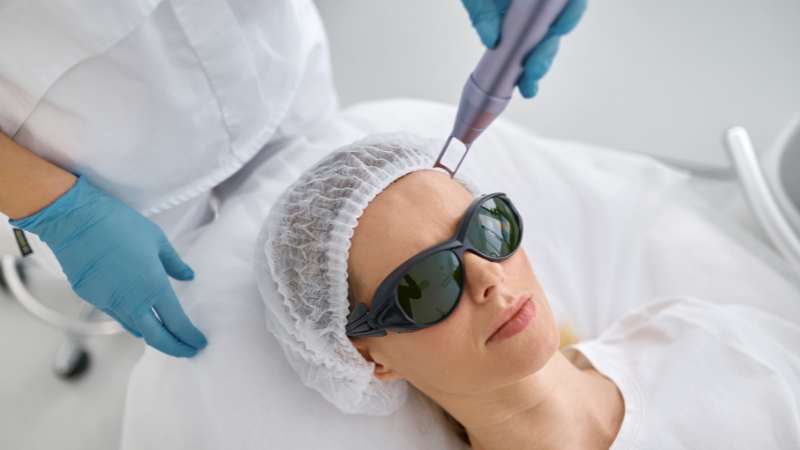
Modern Skincare Treatments in Dubai are designed to address specific skin conditions while supporting the complexion’s overall appearance. Depending on individual requirements, options may include chemical peels, laser procedures, hydrating facials, skin rejuvenation techniques, and other dermatological services. Each approach works differently, so selecting an appropriate treatment requires an understanding of skin type, sensitivity, and desired outcomes.

Dubai has become a destination for individuals exploring professional aesthetic and dermatological services. Several established providers offer personalized consultations and treatment options designed around different skin concerns. However, the quality of the experience depends on factors such as professional qualifications, appropriate technology, hygiene practices, and individualized treatment planning.

Choosing the right provider is equally important as selecting the procedure itself. A qualified professional can assess the skin, explain suitable options, and establish realistic expectations. Rather than following every emerging beauty trend, individuals should focus on treatments that address their actual concerns and complement their everyday skincare routines.

Clinics Offering Modern Skincare Treatments in Dubai

Dynamic Life Clinic

Dynamic Life Clinic offers aesthetic and dermatological services for individuals interested in improving their skin’s overall appearance. Its treatment approach focuses on addressing common concerns such as pigmentation, uneven texture, fine lines, and visible signs of ageing.

Professional skin assessments can help determine which procedures may be appropriate for different skin types. Depending on the individual’s concerns, treatment options may involve facial rejuvenation, skin resurfacing, or other aesthetic techniques.

An important consideration when exploring professional skincare is understanding how different procedures work. Some treatments focus on exfoliation and surface renewal, while others target deeper skin layers. A consultation can help patients understand the available options, potential downtime, and expected recovery.

Enfield Royal Clinic Dubai

Based in Dubai, UAE, Enfield Royal Clinic Dubai specializes in plastic surgery, cosmetic procedures, and aesthetic treatments, including relevant dermatological and non-surgical services. The clinic provides treatment planning based on individual patient requirements, skin concerns, and aesthetic goals.

For people considering professional Skincare Treatments, understanding the condition of the skin is an important starting point. A personalized assessment can help determine whether options such as laser treatments, skin rejuvenation procedures, or other suitable aesthetic services may be appropriate.

The clinic has DHA-licensed medical professionals and offers surgical as well as non-surgical procedures. Its wider services include dermatology, cosmetic injectables, and laser treatments, allowing patients to explore relevant aesthetic options according to their individual needs.

Another important aspect is procedure-specific aftercare. Following professional guidance after a treatment can support the recovery process and help patients maintain their results. Individuals should discuss preparation, possible reactions, sun protection, and follow-up requirements during their consultation.

Tajmeels Clinic

Tajmeels Clinic is another name individuals may encounter when exploring aesthetic services in Dubai. Its aesthetic focus makes it relevant to people researching professional options for improving skin appearance and addressing common cosmetic concerns.

When considering a procedure, patients should understand the purpose of the treatment and whether it is suitable for their skin condition. Options available across aesthetic practices may include facial rejuvenation, exfoliation-based procedures, and treatments intended to improve uneven skin texture.

A proper consultation should cover skin sensitivity, previous procedures, current skincare products, and any relevant medical history. These details help professionals make more informed recommendations.

Patients should also ask about the technology being used, practitioner qualifications, and the recovery process before committing to a procedure. Clear communication can make the treatment experience more comfortable and help establish realistic expectations.

How to Choose the Right Clinic for Skincare Treatments

Selecting an appropriate aesthetic provider involves more than comparing treatment names or promotional offers. Patients should evaluate professional experience, clinical standards, consultation quality, and the suitability of available procedures.

Experience and Qualifications

The qualifications of the professionals performing a procedure should be a priority. Patients should verify relevant licensing, dermatological experience, and training in the specific treatment they are considering.

For procedures involving lasers, chemical exfoliation, or injectable products, appropriate professional expertise is particularly important. Different skin types may respond differently, so treatment decisions should be based on individual assessments rather than general recommendations.

Technology and Techniques

Modern aesthetic technology offers several approaches to improving skin appearance. Laser treatments, controlled exfoliation, hydrating facials, and skin rejuvenation procedures each serve different purposes.

Patients should ask whether the equipment is appropriate for their skin type and concern. The professional should also explain how the procedure works, how many sessions may be required, and whether alternative approaches are available.

Safety Standards

Safety should remain central throughout the treatment process. A reputable provider should maintain appropriate hygiene practices, use suitable equipment, and follow established clinical protocols.

Patients should receive clear information about potential side effects, contraindications, and recovery requirements. Individuals with sensitive skin or a history of skin reactions should communicate these concerns before beginning treatment.

Consultation Process

An informative consultation allows patients to understand their skin condition and available treatment options. During this appointment, professionals may assess hydration, pigmentation, texture, sensitivity, and visible signs of ageing.

Patients should feel comfortable discussing their expectations and asking questions. A suitable treatment plan should explain the procedure, possible limitations, preparation requirements, and expected recovery period.

Patient Experience

The overall patient experience includes communication, appointment management, cleanliness, privacy, and access to professional guidance. Clear explanations before and after a procedure can help individuals feel more confident about their decisions.

It is also helpful to understand how the clinic handles follow-up appointments and post-treatment concerns. Good communication should continue beyond the initial consultation.

Expected Results

Treatment outcomes depend on the procedure, skin condition, lifestyle, and individual response. Some approaches may produce visible improvements relatively quickly, while others require multiple sessions.

For example, hydrating treatments may temporarily improve the appearance of dryness, whereas pigmentation or texture concerns can require a longer treatment plan. No procedure should be expected to deliver identical results for everyone.

Maintaining healthy skincare habits, using appropriate sun protection, and following professional aftercare instructions can contribute to maintaining the appearance of the skin.

Frequently Asked Questions

Can modern skincare procedures improve dull-looking skin?

Yes, certain professional procedures may help improve the appearance of dull skin. Hydrating facials, chemical peels, and selected rejuvenation techniques can address surface dryness, accumulated dead skin cells, and uneven texture. The most appropriate option depends on the underlying cause of dullness.

Are professional skincare procedures suitable for sensitive skin?

Some procedures can be adapted for sensitive skin, but not every treatment is appropriate. A professional assessment should identify potential triggers, skin sensitivity, and any existing irritation before recommending a procedure.

How many sessions are needed to see visible improvements?

The number of sessions varies according to the procedure and the individual’s skin concerns. Some treatments provide temporary improvements after one appointment, while pigmentation, texture, and other concerns may require several sessions.

Can skincare procedures help with early signs of ageing?

Certain aesthetic procedures may help improve the appearance of fine lines, uneven texture, and reduced skin radiance. Options can include selected laser treatments, professional exfoliation, and other rejuvenation techniques. Treatment suitability should be established during a consultation.

How can results be maintained after professional skincare procedures?

Following a consistent skincare routine is important. Patients should use suitable moisturizers, apply broad-spectrum sunscreen, avoid unnecessary irritation, and follow any procedure-specific aftercare instructions. Regular professional assessments may also help determine whether additional treatments are appropriate.

Conclusion

Modern aesthetic advancements have made it possible to address various skin concerns through personalized professional procedures. From improving hydration and texture to managing pigmentation and early signs of ageing, different approaches can support a healthier-looking complexion when selected appropriately.

Choosing an experienced provider, understanding available techniques, and following proper safety recommendations are essential parts of the process. Skincare Treatments should always be selected according to individual skin requirements rather than popular trends or unrealistic beauty expectations.

For individuals exploring aesthetic options in Dubai, Enfield Royal Clinic Dubai offers access to dermatological and cosmetic services with personalized treatment planning and professional guidance. A consultation can help identify suitable options and establish a realistic approach to achieving and maintaining healthy-looking skin.

How to Build a Safe Daily Routine for Catheter Care at Home in Dubai

Managing a urinary catheter at home requires consistent attention, proper hygiene, and a clear daily care routine. Whether someone needs a catheter temporarily after surgery or requires long-term support because of a medical condition, maintaining cleanliness and following professional instructions can help reduce complications. A well-organised routine also makes everyday activities more comfortable for patients and less stressful for family caregivers.

In Dubai, many families prefer professional home healthcare support because it allows patients to receive assistance in familiar surroundings. However, caring for a catheter involves more than simply emptying a drainage bag. Patients and caregivers need to understand proper hand hygiene, catheter positioning, drainage management, skin care, and warning signs that may require medical attention.

Catheter Care at Home in Dubai should always follow an individual care plan prepared by a qualified healthcare professional. The type of catheter, the patient’s mobility, medical history, and personal hygiene requirements can influence the care routine. Following the correct procedures can help prevent avoidable problems, support comfort, and maintain dignity.

Choosing an appropriate healthcare provider is equally important. Experienced professionals can guide families on safe catheter handling, explain daily maintenance, and identify potential concerns early. This article explores practical catheter care habits, important safety considerations, and healthcare providers in Dubai that patients and families can consider when arranging professional support.

Understanding the Importance of a Daily Catheter Care Routine

A urinary catheter helps drain urine from the bladder when a person cannot empty it naturally. Although it serves an important medical purpose, the device requires regular maintenance to reduce the risk of urinary tract infections, blockages, leakage, and skin irritation.

A consistent routine makes catheter management easier. It also helps caregivers recognise changes in urine appearance, drainage patterns, or the patient’s comfort.

Daily care generally involves:

  • Washing hands before and after touching the catheter or drainage equipment.
  • Keeping the catheter and surrounding skin clean.
  • Ensuring the drainage tubing is not twisted, compressed, or pulled.
  • Keeping the urine collection bag below bladder level.
  • Emptying the drainage bag according to professional instructions.
  • Checking for unusual changes in urine colour, smell, or volume.
  • Making sure the catheter is secured properly to prevent unnecessary movement.

Patients should never disconnect, remove, or replace their catheter without appropriate medical instructions and training.

Practical Habits for Safe Catheter Care at Home

Maintain Proper Hand Hygiene

Hand hygiene is one of the most important parts of catheter maintenance. Caregivers should wash their hands with soap and water before and after handling the catheter, drainage bag, or surrounding equipment.

Clean gloves may be appropriate for certain care activities, but they do not replace proper handwashing. Keeping frequently touched surfaces and catheter supplies clean also helps maintain a safer environment.

Urethral catheter care

Keep the Catheter Area Clean

The skin around the catheter insertion site should be cleaned gently every day and after bowel movements when necessary. Mild soap and water are generally sufficient unless a healthcare professional recommends another method.

Avoid applying powders, creams, antiseptics, or scented products around the insertion area without medical advice. These products may cause irritation or interfere with the recommended care routine.

Position the Drainage Bag Correctly

The urine collection bag should remain below the level of the bladder to support proper drainage and reduce the risk of urine flowing backwards.

It should never rest directly on the floor. Caregivers should also check that the tubing has enough space to allow urine to flow freely without creating tension on the catheter.

Empty the Bag Safely

The drainage bag should be emptied before it becomes overly full, following the schedule recommended by the healthcare professional.

Avoid allowing the drainage outlet to touch the toilet, container, or any other surface. After emptying, close the outlet securely and wash your hands.

Monitor Changes and Report Concerns

Regular observation is essential for identifying potential complications. Caregivers should pay attention to:

  • Cloudy urine accompanied by other symptoms.
  • Blood in the urine.
  • Unusual or strong-smelling urine.
  • Leakage around the catheter.
  • Pain or discomfort in the lower abdomen.
  • Reduced or absent urine drainage.
  • Fever, chills, or general weakness.

Cloudy or strong-smelling urine alone does not necessarily indicate an infection. However, symptoms such as fever, pain, or sudden confusion should be discussed promptly with a healthcare professional. If the patient develops severe pain, significant bleeding, or becomes seriously unwell, urgent medical assessment is necessary.

Healthcare Providers to Consider for Professional Catheter Support in Dubai

Finding suitable healthcare assistance involves considering clinical experience, patient safety, communication, and the availability of home-based services. The following healthcare providers are worth exploring when researching medical support in Dubai. Families should confirm the exact catheter-related services and home-care availability directly with each provider.

Tajmeels Clinic

Tajmeels Clinic is one of the healthcare names patients may consider when exploring medical services in Dubai. When discussing catheter-related assistance, families should ask whether the provider can arrange qualified nursing support or refer patients to an appropriate home healthcare service.

It is important to confirm whether nurses have experience with urinary catheter maintenance, drainage bag management, infection prevention, and patient education. A clear discussion about the patient’s needs can help determine whether the available services are appropriate.

Enfield Royal Clinic

Enfield Royal Clinic is another provider to consider when exploring healthcare support in Dubai. Patients and families can contact the clinic to discuss available nursing assistance, home healthcare arrangements, and guidance for managing ongoing medical needs.

For individuals requiring Catheter Care at Home, it is important to establish whether qualified professionals can provide the specific catheter-related services required. Families should ask about catheter hygiene, drainage monitoring, patient comfort, and the management of possible complications.

A suitable care arrangement should be based on the patient’s medical condition and professional assessment. Clear communication, appropriate clinical qualifications, and personalised guidance are essential when selecting support for daily catheter management.

Dynamic Life Clinic

Dynamic Life Clinic is also a healthcare provider that patients may explore when researching medical assistance in Dubai. Families looking for catheter-related support should contact the clinic to establish whether suitable nursing services or home healthcare referrals are available.

Before arranging an appointment, patients can discuss their catheter type, medical history, mobility requirements, and current care challenges. It is also helpful to ask about nursing qualifications, availability, and the process for reporting unexpected symptoms.

These details help families understand whether the provider can meet their requirements and support a safe care arrangement.

How to Choose the Right Clinic for Catheter Care at Home

Selecting a suitable healthcare provider requires more than checking service availability. Catheter management involves clinical responsibilities, so patients should consider several important factors before making a decision.

Experience and Qualifications

Always confirm that catheter-related care is provided by appropriately licensed and trained healthcare professionals. Nurses should understand urinary catheter maintenance, infection prevention, drainage systems, and the identification of common complications.

Experience with elderly patients, individuals with limited mobility, and people requiring long-term catheterisation can also be valuable.

Technology and Techniques

Ask about the equipment and procedures used during home visits. Professionals should follow appropriate infection prevention practices and use suitable medical supplies.

They should also understand the differences between indwelling, intermittent, and suprapubic catheters because each requires specific care instructions.

Safety Standards

Patient safety should remain a priority throughout every care visit. Check whether the provider follows recognised hygiene procedures, maintains appropriate clinical documentation, and has a clear process for responding to complications.

Families should also understand whom to contact if the catheter stops draining or the patient develops concerning symptoms outside scheduled visits.

Consultation Process

A proper consultation allows healthcare professionals to understand the patient’s condition and develop an appropriate care plan.

During the assessment, discuss the reason for catheterisation, the type of catheter, existing medical conditions, mobility limitations, and any previous complications. Caregivers should also receive clear instructions about the activities they can safely perform.

Patient Experience

Comfort, dignity, communication, and privacy are important aspects of home healthcare. Choose a provider that listens to patient concerns and explains procedures in understandable language.

Consistent communication between nurses, patients, and family caregivers can make ongoing catheter management more organised.

Expected Results

The purpose of professional catheter support is to maintain proper drainage, reduce avoidable complications, and improve the patient’s comfort. However, no healthcare provider can guarantee that infections or other complications will never occur.

A realistic care plan should include routine monitoring, appropriate hygiene, regular clinical reviews, and clear instructions for managing unexpected changes.

Frequently Asked Questions

How often should a urinary catheter be cleaned at home?

The external catheter area should generally be cleaned daily and after bowel movements when needed. Use mild soap and water unless a healthcare professional recommends another approach. The catheter itself should not be removed or cleaned internally as part of routine hygiene.

Can a patient shower while using a urinary catheter?

Most patients with urinary catheters can shower, provided they follow their healthcare professional’s instructions. The catheter and drainage system should remain properly connected, and the drainage bag should be positioned correctly. Avoid soaking the catheter or using products that may irritate the insertion area.

What should caregivers do if urine stops flowing into the drainage bag?

First, check whether the tubing is twisted, compressed, or positioned incorrectly. Ensure the drainage bag is below bladder level. If urine flow does not return, or the patient experiences bladder discomfort, contact a healthcare professional promptly. Never attempt to flush or manipulate the catheter without appropriate training and instructions.

How can families reduce the risk of catheter-related infections?

Consistent handwashing, daily hygiene, correct drainage bag positioning, and avoiding unnecessary disconnections can help reduce infection risks. Patients should also maintain adequate fluid intake if medically permitted and attend recommended clinical reviews.

When should professional catheter care be arranged?

Professional assistance may be helpful when patients have limited mobility, require ongoing catheter monitoring, experience recurring problems, or need support with catheter changes. The timing and frequency of nursing visits should depend on the patient’s medical needs and the treating professional’s recommendations.

Conclusion

Building a safe daily catheter routine requires cleanliness, regular observation, correct drainage management, and professional guidance. Small habits, such as washing hands, maintaining proper bag positioning, and checking for unusual symptoms, can make a meaningful difference in everyday catheter management.

Families in Dubai should choose qualified healthcare professionals who understand individual patient needs and follow appropriate clinical safety standards. Catheter Care at Home should never be treated as a one-size-fits-all responsibility. With a personalised care plan, reliable nursing guidance, and regular monitoring, patients can receive more organised support while maintaining comfort, dignity, and confidence in their daily lives.

Why Is HIFU Treatment a Popular Choice for Facial Lifting in Dubai?

Facial ageing is a natural process that gradually affects skin firmness, elasticity, and facial definition. As collagen production decreases, people may notice sagging cheeks, softer jawlines, fine lines, and loose skin around the neck. These changes have increased interest in non-surgical aesthetic procedures that aim to improve facial firmness without requiring traditional surgery. Among the available options, HIFU Treatment has gained attention for its ability to target deeper skin layers using focused ultrasound energy.

Dubai has become a popular destination for advanced aesthetic procedures, with individuals increasingly exploring treatments that support natural-looking facial rejuvenation. HIFU Treatment in Dubai is its non-invasive approach. The procedure uses controlled ultrasound energy to stimulate collagen production beneath the skin while leaving the surface largely unaffected.

Unlike surgical facelifts, this approach does not involve incisions or extensive recovery periods. It may appeal to people experiencing mild to moderate skin laxity who prefer gradual improvements rather than dramatic changes. However, suitability depends on individual skin condition, age, facial structure, and treatment expectations.

Choosing an appropriate aesthetic provider is equally important. Understanding the technology, professional expertise, consultation process, and safety measures can help individuals make informed decisions before proceeding.

Clinics Offering Facial Lifting and Skin Rejuvenation in Dubai

Tajmeels Clinic

Tajmeels Clinic is one of the aesthetic providers individuals may consider when exploring non-surgical facial rejuvenation. Treatments designed to address skin laxity and improve facial definition can be discussed according to individual concerns and aesthetic preferences.

For people interested in ultrasound-based lifting, an initial consultation can help establish whether the procedure is appropriate for their skin condition. Factors such as facial volume, skin elasticity, and the degree of sagging should be considered before developing a treatment approach.

A personalised assessment also helps patients understand realistic outcomes and whether additional skin-rejuvenation procedures may be worth discussing.

Enfield Royal Clinic

Enfield Royal Clinic offers an aesthetic setting for individuals interested in facial rejuvenation and non-surgical approaches to improving skin firmness. People concerned about loose skin around the cheeks, jawline, chin, or neck can explore suitable treatment options following a professional consultation.

HIFU Treatment may be considered for individuals seeking gradual improvements in facial definition through ultrasound-based collagen stimulation. The procedure is designed to deliver focused energy into selected tissue depths, supporting the body’s natural collagen response.

An individualised treatment plan should account for skin condition, facial anatomy, and the degree of laxity. Enfield Royal Clinic is worth considering for those who want to discuss their aesthetic goals and understand which approach may best suit their expectations. A detailed consultation can also clarify the likely treatment experience, potential limitations, and expected recovery.

HIFU: The Magic of High-Intensity Focused Ultrasound

Dynamic Life Clinic

Dynamic Life Clinic is another name individuals may explore when researching aesthetic treatments for facial rejuvenation. People looking to improve skin firmness without undergoing surgery may benefit from discussing available non-invasive procedures with an experienced aesthetic professional.

Facial lifting treatments should be selected according to the areas requiring attention. Some individuals may be concerned about early jawline changes, while others may notice looseness around the lower cheeks or neck.

A professional assessment can help determine whether ultrasound-based procedures are suitable or whether another approach would better address the underlying concern. Understanding the treatment process and expected improvements before proceeding is an important part of responsible aesthetic care.

Why Is HIFU Becoming Popular for Facial Lifting?

The increasing popularity of ultrasound-based facial lifting is closely connected to changing aesthetic preferences. Many individuals want to maintain their natural facial appearance while addressing early signs of ageing.

Several features contribute to the interest in this procedure:

  • Non-surgical approach: It does not require surgical incisions or general anaesthesia.
  • Collagen stimulation: Focused ultrasound energy targets deeper tissue layers to encourage collagen production.
  • Facial definition: Selected areas, including the jawline and cheeks, may experience improvements in firmness.
  • Gradual results: Changes generally develop over time as the body’s collagen response progresses.
  • Limited downtime: Most individuals can return to normal daily activities relatively quickly, although temporary tenderness or redness may occur.

The procedure is not a replacement for surgical lifting, particularly when significant excess skin is present. Understanding these limitations helps individuals develop realistic expectations.

How to Choose the Right Clinic for HIFU Treatment

Selecting an aesthetic provider requires more than comparing treatment availability. The quality of assessment, professional qualifications, equipment, and patient care all influence the overall experience.

Experience and Qualifications

Check whether the professional performing the procedure has appropriate training and experience in aesthetic treatments. Knowledge of facial anatomy is particularly important because different areas require carefully selected energy settings and treatment depths.

Technology and Techniques

Ask about the ultrasound device being used and whether it is suitable for the intended treatment area. Different technologies may have different capabilities, so patients should understand the equipment and the approach being recommended.

Safety Standards

A reliable provider should follow appropriate hygiene protocols, use suitable protective measures, and assess potential contraindications. Patients should also receive clear information about possible temporary effects, including swelling, tenderness, redness, and bruising.

Consultation Process

A thorough consultation should involve an assessment of skin laxity, facial structure, medical history, and aesthetic goals. Patients should have an opportunity to discuss concerns and receive an explanation of alternative procedures where appropriate.

Patient Experience

Communication and transparency are important throughout the treatment journey. A professional clinic should explain preparation, treatment sensations, aftercare instructions, and the possibility that results may vary.

Expected Results

Before proceeding, ask how much improvement is realistically achievable. Results are influenced by age, collagen levels, skin quality, and the severity of laxity. Some individuals may require additional sessions or alternative procedures to achieve their desired appearance.

Frequently Asked Questions

How long does it take to see facial lifting results?

Some individuals notice an initial improvement shortly after treatment, but the more noticeable changes usually develop gradually over two to three months. Collagen production continues over time, so final improvements may take longer.

Is HIFU suitable for all skin types?

The procedure may be suitable for various skin types, but individual assessment is necessary. Skin condition, facial anatomy, medical history, and existing aesthetic concerns can influence suitability.

Does ultrasound facial lifting hurt?

Treatment sensations vary between individuals. Some people experience warmth, tingling, or brief discomfort as ultrasound energy is delivered beneath the skin. Sensitivity may differ depending on the treatment area and energy settings.

How long can the results last?

Results can last several months to around a year or longer in some individuals. However, longevity depends on natural ageing, skin condition, lifestyle, and individual collagen response. Maintenance recommendations should be discussed with the treating professional.

Can HIFU replace a surgical facelift?

No. Ultrasound-based lifting is generally intended for mild to moderate skin laxity. It cannot remove significant excess skin or provide the same degree of correction as surgical facelift procedures. Individuals with advanced sagging may require a different approach.

Conclusion

Non-surgical facial rejuvenation continues to attract attention among people who want to address early signs of ageing while maintaining their natural appearance. The ability to stimulate collagen without surgical incisions makes HIFU Treatment an appealing option for selected individuals seeking improved skin firmness and facial definition. However, results depend on personal skin characteristics, treatment technique, and professional assessment. Exploring experienced providers such as Enfield Royal Clinic, Tajmeels Clinic, and Dynamic Life Clinic can help individuals understand their available options. A detailed consultation remains the best starting point for choosing an appropriate facial lifting approach and setting realistic expectations.

Can Hydrafacial in Dubai Help Support Your Long-Term Skincare Goals?

Healthy, radiant skin requires more than occasional treatments or a complicated collection of skincare products. Maintaining a fresh complexion involves consistent cleansing, hydration, exfoliation, and attention to changing skin needs. Environmental exposure, daily stress, dehydration, and natural ageing can gradually affect skin texture, brightness, and overall appearance. This is why professional facial treatments have become an important part of many long-term skincare routines.

Hydrafacial in Dubai is a popular non-invasive facial treatment designed to cleanse the skin, remove surface impurities, exfoliate dead skin cells, and deliver hydrating ingredients. Its multi-step approach makes it an option for individuals who want to maintain smoother-looking, refreshed, and healthier-looking skin without undergoing an intensive procedure. However, the most meaningful improvements generally come from a personalised skincare approach rather than relying on a single session.

In Dubai, several aesthetic providers offer facial treatments designed around different skin concerns and beauty goals. Choosing the right provider involves considering professional experience, treatment personalisation, hygiene practices, and the quality of the consultation process.

Whether the objective is to improve dullness, maintain hydration, support smoother texture, or establish a consistent skincare routine, understanding the available options can help individuals make informed decisions. Exploring providers such as Enfield Royal Clinic, Dynamic Life Clinic, Tajmeels Clinic, Zen Healthcare Dubai, and Amwaj Polyclinic can be a useful starting point when considering professional facial care.

Clinics Offering Personalised Skincare Treatments in Dubai

Zen Healthcare Dubai

Zen Healthcare Dubai is another name individuals can explore when researching professional skincare services. Selecting a facial treatment should begin with understanding the skin’s current condition rather than choosing a procedure simply because it is popular.

For people interested in maintaining their complexion, important considerations include skin hydration, sensitivity, uneven texture, and the appearance of dullness. A professional consultation can help determine whether a cleansing and hydration-focused facial is suitable for individual needs.

A consistent approach to skincare, supported by appropriate professional guidance and home care, can contribute to maintaining a refreshed appearance over time.

Amwaj Polyclinic

Amwaj Polyclinic is another option to consider when exploring aesthetic and skincare services. A suitable facial treatment should address specific concerns while respecting the skin’s natural balance.

People experiencing dryness, rough texture, or a tired-looking complexion may benefit from discussing professional exfoliation and hydration options with a qualified practitioner. Treatment selection should depend on skin sensitivity, existing concerns, and previous skincare procedures.

Rather than focusing exclusively on immediate cosmetic improvements, individuals should consider how professional facial treatments can complement their everyday skincare habits. Appropriate moisturisation, sun protection, and gentle cleansing remain important parts of maintaining healthy-looking skin.

Tajmeels Clinic

Tajmeels Clinic is another provider to consider when researching aesthetic skincare options in Dubai. Personalised skin treatments are particularly relevant for individuals who want to address concerns such as uneven texture, dehydration, and a lack of radiance.

A professional assessment helps establish which treatments may be appropriate for different skin types. Factors such as sensitivity, active breakouts, and the use of prescription skincare ingredients should be discussed before undergoing exfoliating procedures.

For individuals considering Hydrafacial treatments, understanding the procedure, available options, and recommended treatment intervals can help establish realistic expectations. A balanced combination of professional care and suitable home skincare can support longer-term complexion maintenance.

How Often Should You Get a HydraFacial? Dubai Expert Guide - OrthoSports  Medical Center

Dynamic Life Clinic

Dynamic Life Clinic is another name worth exploring for individuals researching aesthetic skincare services. When considering a professional facial, it is important to understand whether the available approach matches personal skin goals.

A good skincare consultation should consider concerns such as congestion, dryness, uneven skin texture, and reduced brightness. It should also account for the individual’s existing skincare routine and any treatments they have recently received.

Long-term skin maintenance requires consistency. Professional facial treatments may complement a carefully selected home routine, helping individuals maintain a clean and refreshed appearance. Discussing the available techniques, practitioner qualifications, and suitability of each treatment before proceeding is essential.

Enfield Royal Clinic

Enfield Royal Clinic is an important option to explore when researching personalised aesthetic skincare services in Dubai. Its inclusion in a skincare shortlist gives individuals another provider to consider when evaluating their treatment requirements and desired outcomes.

For people interested in improving skin hydration, addressing dullness, and maintaining a smoother-looking complexion, Hydrafacial can be discussed as part of an individualised skincare plan. The treatment focuses on cleansing, exfoliation, extraction, and hydration, making it relevant to several common cosmetic skin concerns.

A personalised consultation is valuable for determining whether the procedure is appropriate for the individual’s skin condition and expectations. Factors such as sensitivity, active skin conditions, and previous cosmetic treatments should be assessed before selecting a treatment plan.

Individuals should also discuss suitable session intervals, expected improvements, and complementary skincare habits. A thoughtful approach helps establish realistic expectations while supporting consistent attention to skin health.

How to Choose the Right Clinic for Hydrafacial

Selecting an appropriate provider is an important part of achieving satisfactory skincare outcomes. Beyond the treatment itself, several factors can influence the overall experience and suitability of a facial procedure.

Experience and Qualifications

Practitioner experience is an important consideration when choosing a professional skincare provider. Individuals should look for appropriately trained professionals who understand different skin types, common concerns, and the principles of safe aesthetic treatment.

Technology and Techniques

The equipment and techniques used during a facial treatment can influence the overall experience. Ask about the technology available, the treatment steps involved, and whether the approach can be adjusted according to individual skin requirements.

Safety Standards

Hygiene, appropriate equipment handling, and professional treatment protocols should always be priorities. Individuals should also disclose allergies, skin sensitivities, and existing dermatological concerns before beginning a procedure.

Consultation Process

A detailed consultation allows practitioners to understand personal skincare goals and recommend suitable options. It should include an assessment of skin condition, previous treatments, current products, and any factors that could affect treatment suitability.

Patient Experience

The overall experience matters when selecting a skincare provider. Clear communication, transparent treatment information, comfortable surroundings, and appropriate guidance can help individuals feel more confident about their decisions.

Expected Results

Understand what the treatment can realistically achieve. Professional facials may improve temporary dryness, surface texture, and the appearance of dullness, but they cannot permanently prevent ageing or replace medical treatment for underlying skin conditions.

Frequently Asked Questions

Can Hydrafacial support long-term skin health?

Regular professional facials may help maintain surface hydration, remove accumulated impurities, and improve the appearance of skin texture. However, long-term skin health also depends on daily skincare, sun protection, hydration, and individual skin conditions.

How often should someone receive a professional facial?

The recommended frequency depends on skin type, sensitivity, treatment goals, and the practitioner’s assessment. Some individuals may benefit from monthly treatments, while others may require longer intervals.

Is this treatment suitable for sensitive skin?

People with sensitive skin may be suitable candidates, but the treatment settings and ingredients should be selected carefully. Anyone experiencing irritation, active inflammation, or a skin condition should seek professional advice before proceeding.

Can professional facials help with dull and dehydrated skin?

Hydration-focused facial treatments can improve the appearance of dryness and temporarily enhance skin radiance. Consistent moisturisation and daily sun protection are also important for maintaining these improvements.

What should be included in a long-term skincare routine?

A balanced routine generally includes a gentle cleanser, suitable moisturiser, and broad-spectrum sunscreen. Additional ingredients such as vitamin C or other targeted skincare products can be considered according to individual concerns and skin tolerance.

Conclusion

Achieving and maintaining healthy-looking skin requires consistency, appropriate treatments, and an understanding of individual skincare needs. Professional facial procedures can complement daily skincare habits by addressing concerns such as surface dryness, dullness, and uneven texture. Choosing an experienced provider and receiving a personalised consultation are important steps towards making informed decisions. Hydrafacial can be a useful option for individuals seeking a non-invasive approach to cleansing and hydration, provided the treatment is suitable for their skin. With realistic expectations, professional guidance, and a consistent home routine, individuals can work towards maintaining a smoother, fresher, and more radiant complexion over time.

IUD Insertion Copper: What Women Should Know Before Treatment

Choosing a reliable contraceptive method is an important decision for women who want long-term pregnancy prevention without relying on daily medication. A copper intrauterine device (IUD) is a hormone-free contraceptive option designed to provide effective protection for several years. Understanding the procedure, possible discomfort, suitability, and follow-up requirements can help women make an informed decision before treatment. IUD Insertion Copper in Dubai is a commonly discussed option among women seeking reversible contraception that does not interfere with their natural hormonal cycle.

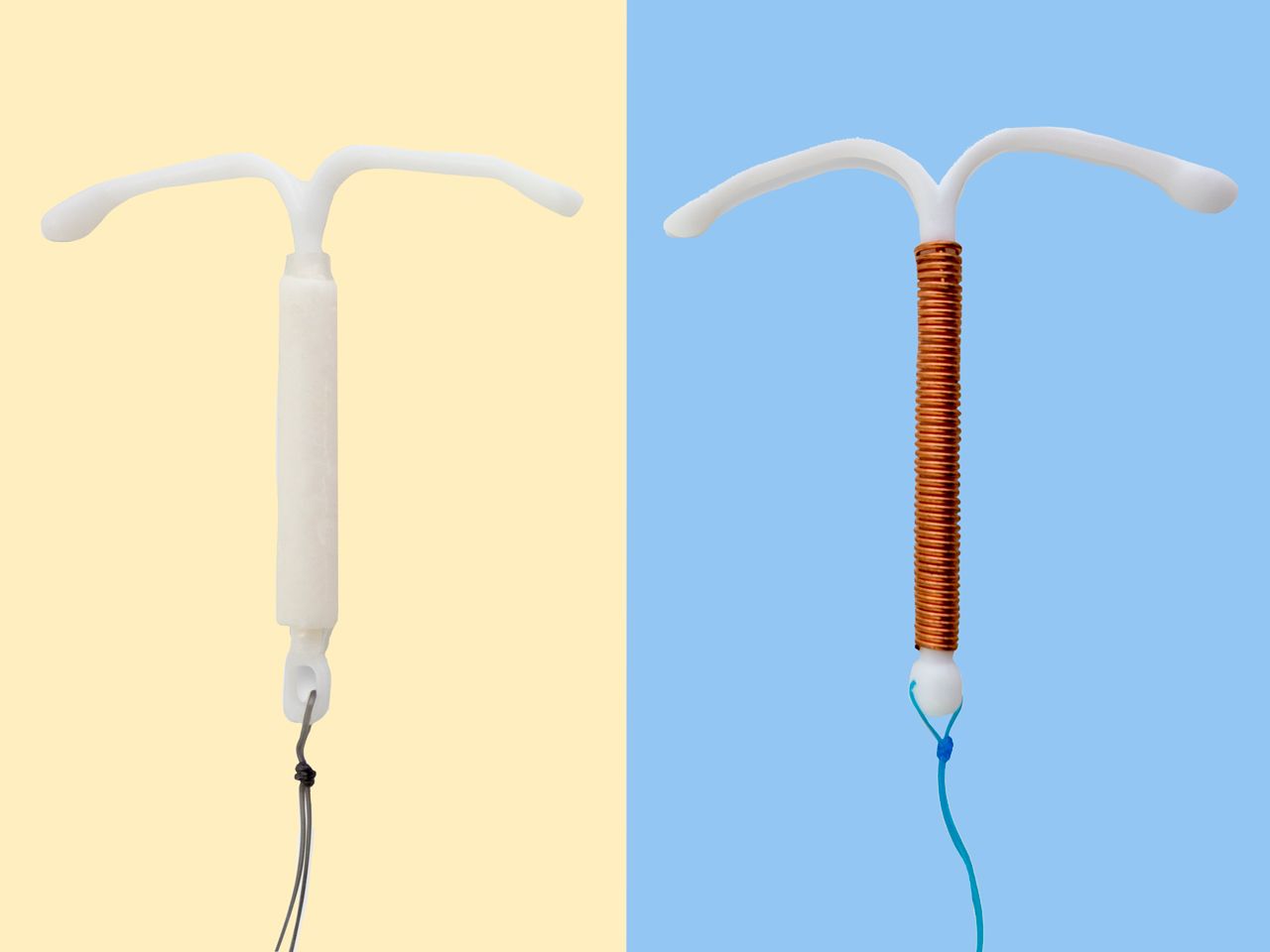
A copper IUD is a small, T-shaped device placed inside the uterus by a qualified healthcare professional. It gradually releases copper ions, which create an environment that interferes with sperm movement and function, reducing the possibility of fertilization. Unlike hormonal contraceptives, it does not release synthetic hormones or require daily attention.

Before proceeding, women should understand that the insertion process involves a medical assessment, a discussion of reproductive history, and an examination to determine whether the device is appropriate. Some women experience temporary cramping or spotting after placement, while others adjust relatively quickly.

The experience can vary depending on individual anatomy, menstrual history, and pain sensitivity. Selecting an appropriate healthcare provider is therefore just as important as understanding the contraceptive method itself. Women in Dubai can explore reputable healthcare facilities, discuss their concerns with qualified professionals, and receive guidance based on their reproductive health needs.

Understanding Copper IUD Insertion Before Treatment

A copper IUD works without changing the body’s natural hormone production. Once inserted, it provides continuous contraception and can remain effective for several years, depending on the specific device.

The procedure generally involves inserting a speculum to view the cervix, cleaning the area, and gently guiding the IUD through the cervical opening into the uterus. The healthcare professional then checks its position and trims the attached strings to an appropriate length.

The appointment usually takes only a few minutes for the actual insertion, although the complete consultation may take longer.

Women should also understand some important considerations:

  • Copper IUDs can make menstrual bleeding heavier or periods more painful, particularly during the initial months.

  • Mild cramping and spotting are relatively common shortly after insertion.

  • The device does not protect against sexually transmitted infections.

  • It can be removed by a trained healthcare professional whenever contraception is no longer required.

  • Pregnancy prevention begins immediately after copper IUD placement when correctly inserted.

Healthcare Clinics Offering Women’s Reproductive Care

Selecting a healthcare facility involves more than simply arranging an appointment. Women should consider professional qualifications, communication, examination standards, and the availability of appropriate follow-up care.

Tajmeels Clinic

Tajmeels Clinic can be considered when exploring healthcare services and professional consultation options in Dubai. Women researching contraceptive procedures should prioritize facilities that provide clear information about available treatments, medical suitability, and potential concerns.

For anyone considering IUD insertion, discussing menstrual patterns, previous pregnancies, and reproductive health history is essential. A proper consultation helps establish whether a copper device is suitable and whether alternative contraceptive methods should also be considered.

Women should confirm the availability of copper IUD insertion and the qualifications of the professional performing the procedure before scheduling treatment.

7 Signs an IUD Is Right for You—and 5 It Isn't | SELF

Enfield Royal Clinic

Enfield Royal Clinic is another healthcare provider women may explore when researching reproductive health services in Dubai. A patient-focused approach to consultation is important for women who want to understand contraceptive choices before making a decision.

During an appointment concerning copper IUD insertion, women should receive information about how the device works, the insertion process, possible discomfort, and expected menstrual changes. A professional assessment should also consider previous pelvic infections, unexplained vaginal bleeding, uterine abnormalities, and other relevant medical factors.

Clear communication is particularly valuable for patients who feel anxious about insertion or have concerns about pain. Women should confirm the availability of the specific procedure, appropriate medical supervision, and follow-up arrangements directly with the clinic.

Dynamic Life Clinic

Dynamic Life Clinic is another name women may research when exploring healthcare and treatment options in Dubai. When considering contraceptive care, the most important factors include access to qualified medical professionals and an appropriate assessment before any procedure.

A copper IUD consultation should provide an opportunity to discuss personal preferences, menstrual health, contraceptive history, and expectations. Women should also understand the potential advantages and limitations of hormone-free contraception.

Before selecting a facility, patients should verify whether copper IUD insertion is currently available and whether the service includes post-procedure guidance.

How to Choose the Right Clinic for Copper IUD Insertion

Finding a suitable healthcare provider requires attention to clinical expertise, patient communication, and safety practices. The following considerations can help women evaluate their options.

Experience and Professional Qualifications

The professional performing the insertion should have appropriate training and experience in intrauterine contraceptive procedures. Women should feel comfortable asking about qualifications and experience with copper IUD placement.

Technology and Insertion Techniques

Proper examination equipment and appropriate insertion instruments help support accurate placement. The healthcare professional should explain how the device is positioned and whether additional assessment, such as ultrasound, is necessary.

Safety and Hygiene Standards

The facility should follow established infection-prevention procedures and maintain appropriate clinical hygiene. A medical assessment should identify potential contraindications before insertion.

Consultation Process

A good consultation should cover menstrual history, pregnancy possibility, previous pelvic infections, medical conditions, and contraceptive preferences. Patients should have enough time to ask questions without feeling pressured.

Patient Experience and Communication

Women should receive clear explanations about what to expect during insertion and how to manage temporary discomfort. Respectful communication can make the experience more comfortable, especially for first-time patients.

Expected Results and Follow-Up

A copper IUD provides long-term contraception but does not guarantee an entirely symptom-free experience. Women should understand how to check the device strings if advised, recognize warning symptoms, and arrange follow-up when necessary.

What Happens After Copper IUD Insertion?

Recovery experiences differ between individuals. Mild cramps, lower abdominal discomfort, and light spotting may occur during the first few days. Some women experience heavier menstrual bleeding or increased period cramps during the first three to six months.

Simple pain-relief measures may help, depending on individual medical suitability. Patients should follow their healthcare professional’s instructions regarding activities, intercourse, and follow-up appointments.

Women should seek prompt medical assessment if they experience severe or worsening pelvic pain, fever, unusual or foul-smelling vaginal discharge, very heavy bleeding, or suspected pregnancy.

A copper IUD does not usually require daily maintenance. However, understanding possible changes and knowing when to seek medical advice are important parts of responsible contraceptive care.

Frequently Asked Questions

Is copper IUD insertion painful?

The procedure can cause temporary discomfort, pressure, or cramping. Some women experience mild sensations, while others find insertion more uncomfortable. Pain management options can be discussed with the healthcare professional beforehand.

How long does a copper IUD last?

Depending on the specific device, a copper IUD can provide contraception for approximately 5–10 years or longer. Women should confirm the approved duration of their particular device.

Can a copper IUD affect menstrual periods?

Yes. Periods may become heavier, longer, or more painful, particularly during the first few months. These changes sometimes improve as the body adjusts.

Can women get pregnant after removing a copper IUD?

Yes. Fertility generally returns quickly after removal, and women can potentially become pregnant during the first menstrual cycle following removal.

Does a copper IUD protect against sexually transmitted infections?

No. A copper IUD helps prevent pregnancy but does not protect against sexually transmitted infections. Condoms remain important for reducing the risk of infection.

Conclusion

Understanding contraceptive options before treatment helps women make decisions that support their reproductive health and personal preferences. A IUD Insertion Copper offers hormone-free, reversible, long-term pregnancy prevention, although individual suitability and possible menstrual changes should always be discussed with a qualified healthcare professional. Choosing an appropriate provider for IUD insertion (copper) involves evaluating medical expertise, consultation quality, hygiene standards, and access to follow-up care. With the right information and professional guidance, women can approach the procedure with greater confidence and realistic expectations.

Cosmetic Surgery in Dubai for Better Facial Balance

Facial harmony is not about achieving a particular beauty standard. It is about creating a natural balance between facial features while preserving the characteristics that make each person unique. The relationship between the nose, chin, cheeks, jawline, and forehead can influence how the face looks from different angles. When someone feels that one feature appears more prominent than the others, carefully planned aesthetic procedures may help create a more proportionate appearance.

Cosmetic Surgery in Dubai is an option for individuals who want to explore changes to specific facial features while maintaining their natural expressions. Depending on personal goals and medical suitability, treatment options may include rhinoplasty, chin augmentation, eyelid surgery, facial contouring, or a facelift. Each procedure addresses different concerns, and the most appropriate approach depends on facial anatomy, skin quality, overall health, and individual expectations.

Dubai has become a destination for people exploring modern aesthetic treatments, with various healthcare providers offering surgical consultations and personalised treatment planning. However, choosing a suitable provider requires more than reviewing photographs or promotional material. Patients should consider the surgeon’s qualifications, relevant experience, facility accreditation, consultation process, and approach to patient safety.

A successful treatment plan begins with understanding what needs to be improved and whether surgery is genuinely appropriate. In some cases, a single procedure may address the concern, while others may benefit from a more comprehensive assessment. The goal is to make informed decisions that prioritise facial proportions, realistic expectations, and long-term wellbeing rather than pursuing dramatic or unnecessary changes.

Clinics to Consider for Facial Balance Procedures

Tajmeels Clinic

Tajmeels Clinic is one of the aesthetic providers people may consider when exploring facial enhancement options in Dubai. For individuals interested in improving facial proportions, an initial consultation can help clarify their concerns and identify suitable treatment possibilities.

Facial balance assessments may involve examining the relationship between the nose, chin, cheeks, and jawline. Understanding these proportions can help patients discuss whether a particular feature requires surgical correction or whether a less invasive approach may be more appropriate.

Before proceeding, patients should confirm which facial procedures are available, who will perform the treatment, and whether the practitioner has relevant qualifications and experience. A clear discussion about recovery, potential complications, and expected outcomes is essential when considering any surgical intervention.

Face Contouring Dubai | Sculpting Treatments Explained - Altaderma

Enfield Royal Clinic

Enfield Royal Clinic is another provider to consider when researching facial aesthetic procedures in Dubai. Individuals interested in Cosmetic Surgery can explore consultation options to discuss their concerns about facial proportions, symmetry, and overall appearance.

A personalised assessment is important because facial features should not be evaluated in isolation. For example, the appearance of the nose may be influenced by chin projection, while jawline definition can affect the perceived balance of the lower face. Understanding these relationships helps establish realistic treatment objectives.

During a consultation, patients should discuss their desired outcome, medical history, and suitability for the proposed procedure. They should also ask about the surgeon’s experience, the surgical facility, anaesthesia arrangements, recovery requirements, and follow-up care. Reviewing potential risks alongside expected benefits supports a more informed decision.

The emphasis should remain on proportionate changes that respect the patient’s existing features. No surgical procedure can guarantee perfect symmetry, and individual healing patterns can influence the final result.

Dynamic Life Clinic

Dynamic Life Clinic is another name patients may research when comparing aesthetic services and facial enhancement options. The appropriate treatment depends on the specific concern, whether it involves facial contours, visible signs of ageing, or the relationship between different facial features.

A detailed assessment can help distinguish between concerns that may benefit from surgery and those that could be addressed through non-surgical treatments. This distinction matters because not every perceived imbalance requires an operation.

Patients considering a surgical procedure should ask about the available techniques, practitioner credentials, recovery timeline, and realistic results. They should also establish whether the proposed treatment addresses their primary concern without introducing unnecessary changes to other facial features.

A responsible treatment plan should reflect individual anatomy and medical suitability rather than relying on standardised facial proportions or trends.

A Patient-Centred Approach to Facial Enhancement

When comparing aesthetic providers, it is helpful to look beyond the procedure name and understand how treatment decisions are made. A consultation should provide enough time to discuss the patient’s concerns, review medical history, and evaluate whether the desired change is achievable.

Patients should receive clear information about the proposed procedure, alternatives, limitations, and potential complications. Surgical planning should also account for the relationship between facial structures rather than focusing exclusively on a single feature.

It is important to verify the credentials of the professional performing the procedure and confirm that the facility meets applicable healthcare standards. Patients should feel comfortable asking questions and requesting clarification before making a commitment.

Exploring Individual Facial Treatment Options

Facial balance can involve several different concerns, so the treatment approach should be tailored accordingly. Rhinoplasty may be considered for nasal shape and proportion, while chin augmentation can address limited chin projection. Eyelid surgery may help with selected concerns involving excess eyelid skin, and facelift procedures may address certain signs of facial ageing.

These treatments have different indications, risks, and recovery requirements. They are not interchangeable, and combining procedures is not automatically the best option.

Before choosing a provider, patients should confirm the specific services offered, the qualifications of the treating surgeon, and the arrangements for postoperative monitoring. A careful evaluation helps ensure that the treatment plan is based on medical suitability rather than appearance alone.

How to Choose the Right Clinic for Cosmetic Surgery

Selecting a suitable provider is one of the most important decisions when considering facial enhancement. A thoughtful evaluation can help patients understand their options and avoid unrealistic expectations.

Experience and Qualifications

Check the surgeon’s medical qualifications, specialist training, licensing, and experience with the specific facial procedure being considered. Experience with one operation does not necessarily establish expertise in every type of facial surgery.

Ask whether the surgeon regularly performs the proposed procedure and whether they can explain the relevant risks, limitations, and alternatives. Professional credentials should be independently verifiable through the appropriate regulatory authorities.

Technology and Surgical Techniques

Modern surgical techniques may offer different approaches depending on the patient’s anatomy and treatment goals. However, advanced technology alone does not guarantee a better outcome.

Ask why a particular technique is recommended, what alternatives are available, and how the method may affect recovery, scarring, and the final appearance. Treatment planning should be guided by clinical judgement rather than marketing claims.

Safety Standards

Patient safety should remain the priority throughout the treatment process. Confirm that the procedure will take place in an appropriately licensed facility with suitable anaesthesia services, monitoring equipment, and emergency arrangements.

Patients should receive information about possible complications, infection prevention, postoperative instructions, and whom to contact if concerns develop after surgery.

Consultation Process

A thorough consultation should include a discussion of the patient’s goals, medical history, current medications, previous procedures, and relevant health considerations. The surgeon should explain whether the requested change is realistic and identify any factors that could affect the outcome.

Patients should have an opportunity to ask questions without feeling pressured into booking a procedure. A second opinion can be useful when the proposed treatment is extensive, or the decision remains uncertain.

Patient Experience and Expected Results

Before proceeding, understand the full treatment journey, including preparation, recovery, follow-up appointments, and possible time away from work or usual activities.

Ask how long swelling may last, when the outcome can be assessed reliably, and whether additional treatment might be needed. Surgical results develop over time, and the recovery process differs between individuals.

Photographs may help communicate aesthetic goals, but they should not be treated as a promise of identical results. Facial anatomy, skin characteristics, healing, and surgical technique all influence the outcome.

Frequently Asked Questions

What is the purpose of facial balance surgery?

Facial balance surgery aims to improve the proportions of selected facial features. Depending on individual needs, procedures may address the nose, chin, cheeks, eyelids, jawline, or signs of ageing. The objective is to achieve a result that suits the patient’s anatomy and preferences rather than create a standardised appearance.

Which procedures can improve facial proportions?

Potential options include rhinoplasty, chin augmentation, selected facial contouring procedures, eyelid surgery, and facelift surgery. The appropriate option depends on the specific concern, the patient’s anatomy, and medical suitability. A qualified surgeon can explain the available approaches during an individual assessment.

Is facial enhancement suitable for everyone?

No. Suitability depends on overall health, medical history, the specific procedure, and the patient’s expectations. Some health conditions, medications, or lifestyle factors may increase surgical risks. A professional assessment is necessary before deciding whether an operation is appropriate.

How long does recovery take after facial surgery?

Recovery varies according to the procedure and individual healing. Some patients return to light daily activities relatively quickly, while swelling, bruising, and changes in sensation may take longer to settle. Certain procedures require several weeks of recovery, and final results may take months to become apparent. The surgeon should provide procedure-specific guidance.

How can patients maintain realistic expectations?

Patients should discuss their goals openly, understand the limitations of surgery, and review the possible risks alongside the expected benefits. They should also recognise that perfect symmetry cannot be guaranteed. A clear treatment plan and adequate time to consider the decision can help patients make informed choices.

Conclusion

Facial harmony is best approached through careful assessment, realistic expectations, and treatment decisions that respect individual features. Cosmetic Surgery may help selected patients address concerns involving facial proportions, but the most appropriate procedure depends on anatomy, medical suitability, and personal goals. Choosing a qualified surgeon, understanding the available techniques, and reviewing safety arrangements are essential steps before proceeding.

When researching providers in Dubai, patients should prioritise professional credentials, transparent communication, personalised planning, and reliable follow-up care. Enfield Royal Clinic, along with other providers under consideration, can be included in the research process, but patients should independently verify qualifications, available services, and facility standards before making a decision. The ultimate aim should be a balanced, natural-looking result supported by informed choices and appropriate medical care.

Which Skin Tightening Treatments Are Best for Loose and Sagging Skin?

Loose and sagging skin can develop due to ageing, weight fluctuations, reduced collagen production, sun exposure, and natural changes in skin elasticity. Although these changes are a normal part of life, many people explore aesthetic treatments to achieve firmer-looking skin, improve facial definition, and maintain a refreshed appearance. Understanding the available options can help individuals make informed decisions based on their skin concerns and personal goals.

Modern Skin Tightening in Dubai approaches include non-surgical technologies that use radiofrequency energy, ultrasound, laser-based methods, and other techniques to support collagen production. Some procedures focus on improving mild skin laxity, while others may be more suitable for specific areas, such as the jawline, cheeks, neck, abdomen, or upper arms. The most appropriate option depends on factors such as skin condition, treatment area, age, and the degree of looseness.

Not every treatment delivers the same results. Some methods gradually improve skin firmness over several weeks or months, while others may require multiple sessions to achieve noticeable changes. People with significant excess skin may need a surgical consultation rather than relying solely on non-surgical procedures.

Choosing a qualified provider is equally important. A professional assessment can help determine whether a treatment is suitable, explain its limitations, and establish realistic expectations. Individuals exploring aesthetic services in Dubai can compare consultation processes, practitioner qualifications, available technologies, and safety protocols before making a decision.

Understanding the Different Skin Tightening Treatments

Several technologies are used to address skin laxity. Each works differently, and the ideal choice depends on the individual’s concerns and treatment goals.

Radiofrequency treatments deliver controlled energy into the skin to heat targeted tissue. This process may stimulate collagen remodelling and gradually improve skin firmness. Radiofrequency procedures are commonly considered for areas such as the face, neck, and body.

Ultrasound-based treatments use focused ultrasound energy to target deeper tissue layers. Depending on the device and treatment plan, these procedures may help improve the appearance of mild to moderate skin laxity, particularly around the lower face and neck.

Laser-based treatments use specific wavelengths of light to target skin structures. Certain laser procedures encourage collagen remodelling and improve texture, although their suitability depends on skin tone, the device used, and the concern being treated.

Microneedling with radiofrequency combines tiny needles with radiofrequency energy to deliver heat into selected skin layers. It may help address certain concerns involving texture, fine lines, and mild laxity.

For people with substantial loose skin, particularly following significant weight loss, non-surgical procedures may offer limited improvement. A consultation with an appropriately qualified medical professional can help establish whether a non-surgical or surgical approach is more appropriate.

Clinics to Consider for Skin Firmness Treatments in Dubai

Selecting a provider involves more than comparing treatment names. Patients should consider the assessment process, practitioner experience, available technology, and the quality of information provided before a procedure.

Tajmeels Clinic

Tajmeels Clinic is one option for individuals researching aesthetic treatments designed to address visible signs of ageing and changes in skin texture. When considering this provider, prospective patients can ask about the technologies available for improving skin firmness and whether these approaches are suitable for their particular concerns.

A consultation should cover the degree of skin laxity, the areas being treated, the expected treatment schedule, and any relevant medical considerations. Patients should also ask about possible temporary reactions, such as redness, swelling, or tenderness, depending on the procedure selected.

Understanding the differences between energy-based treatments can help individuals evaluate whether a proposed approach aligns with their goals. Clear explanations about expected improvement and treatment limitations are important when choosing an aesthetic service.

Dynamic Life Clinic

Dynamic Life Clinic is another provider to consider when researching non-surgical aesthetic options. Individuals interested in improving the appearance of loose skin can enquire about available technologies, practitioner qualifications, and the suitability of different procedures for facial or body concerns.

The consultation process should identify whether the main concern involves mild laxity, deeper tissue changes, uneven texture, or excess skin. These issues may require different approaches, and not every device is appropriate for every treatment area.

Patients should also discuss the number of sessions that may be needed, the expected timeframe for visible changes, and whether maintenance treatments could be recommended. A personalised treatment plan is more useful than choosing a procedure based solely on popularity or promotional claims.

Enfield Royal Clinic

Enfield Royal Clinic can be considered by individuals exploring aesthetic services for loose or sagging skin in Dubai. When discussing Skin Tightening options, prospective patients should ask about the available technologies, the qualifications of the treating professional, and how the proposed treatment addresses their particular skin concerns.

A thorough consultation should assess skin condition, treatment areas, medical history, and expectations. The practitioner should explain the differences between radiofrequency, ultrasound-based procedures, and other suitable approaches where available, including their limitations and potential risks.

It is also important to understand how results are evaluated and when improvements may become visible. Collagen remodelling generally occurs gradually, so immediate dramatic changes should not be assumed. Patients should receive clear information about preparation, recovery, possible adverse effects, and any recommended follow-up appointments.

By prioritising individual assessment and transparent communication, prospective patients can make a more informed decision about whether a particular aesthetic procedure suits their needs.

What to Ask During an Aesthetic Consultation

Regardless of the provider selected, patients should ask whether the practitioner has relevant training and experience with the recommended device. They should also clarify which areas can be treated, how the procedure works, and what level of improvement is realistic.

It is helpful to discuss whether the treatment has been evaluated for the individual’s skin tone and condition. People with darker skin tones, a history of pigmentation problems, or certain medical conditions may need additional precautions depending on the technology used.

Before proceeding, patients should receive information about potential complications, alternatives, recovery expectations, and the circumstances in which treatment should be postponed or avoided.

How to Choose the Right Clinic for Skin Tightening

Choosing an appropriate provider involves evaluating clinical standards, treatment suitability, and the overall consultation experience rather than relying on advertising alone.

Experience and Qualifications

Check the qualifications and licensing of the professional who will perform the procedure. Experience with the specific technology and treatment area is particularly important because energy settings, treatment depth, and technique can affect both results and safety.

Patients should feel comfortable asking about relevant training and how the practitioner determines whether someone is a suitable candidate.

Technology and Techniques

Different devices use different forms of energy and target different tissue depths. Ask which technology is being recommended, why it is appropriate for the concern, and whether alternative approaches may offer a better outcome.

A reputable provider should explain the expected benefits and limitations without suggesting that every treatment works equally well for everyone.

Safety Standards

Appropriate hygiene, device maintenance, protective equipment, and established clinical protocols are important considerations. Patients should also receive clear information about possible side effects and how complications would be managed.

Treatments involving heat or concentrated energy can sometimes cause burns, pigment changes, scarring, or nerve-related injury, depending on the procedure and circumstances. Understanding these risks before treatment is essential.

Consultation Process

A useful consultation should include an assessment of skin laxity, medical history, previous procedures, and individual goals. The practitioner should explain the proposed treatment plan, alternatives, likely recovery period, and expected timeline for improvement.

Patients should have sufficient time to ask questions and should never feel pressured to proceed immediately.

Patient Experience and Expected Results

Look for clear communication, realistic explanations, and consistent follow-up arrangements. Before-and-after photographs may help illustrate possible outcomes, but individual results can vary and photographs do not guarantee a similar result.

Ask when improvements are likely to appear, how long they may last, and whether maintenance sessions could be necessary. Significant excess skin may not respond sufficiently to non-surgical treatments, making an alternative approach more appropriate.

Frequently Asked Questions

Which treatment is best for loose and sagging skin?

The most suitable option depends on the degree of laxity, treatment area, skin condition, and desired outcome. Radiofrequency and ultrasound-based procedures may help improve mild to moderate laxity in selected patients. Significant excess skin may require surgical assessment.

Can non-surgical treatments tighten skin naturally?

Some non-surgical procedures stimulate collagen remodelling, which may gradually improve skin firmness and elasticity. However, results vary, and these treatments cannot completely reverse every age-related change or remove substantial excess skin.

How long does it take to see results?

The timeline depends on the technology used and the individual’s response. Some treatments produce an initial visible change, while collagen-related improvements may develop over several weeks or months. Multiple sessions may be recommended for certain procedures.

Are skin-firming procedures safe for all skin types?

No procedure is suitable for everyone. Safety depends on the device, energy settings, treatment area, skin tone, medical history, and practitioner expertise. A qualified professional should assess potential risks, including pigmentation changes and thermal injury, before treatment.

How long can the results last?

Results vary according to the procedure, individual ageing process, skin condition, and lifestyle factors. Some improvements may persist for months or longer, while others may require maintenance treatments. No procedure can permanently prevent the natural loss of collagen and skin elasticity.

Conclusion

Loose and sagging skin can be addressed through several aesthetic approaches, but the most appropriate treatment depends on the severity of skin laxity, the area being treated, and individual expectations. Radiofrequency, ultrasound-based procedures, laser treatments, and radiofrequency microneedling may offer benefits for selected concerns, although their effectiveness and suitability differ.

When exploring Skin Tightening options, patients should prioritise professional assessment, appropriate technology, safety standards, and realistic expectations. Comparing providers such as Tajmeels Clinic, Dynamic Life Clinic, and Enfield Royal Clinic can help individuals identify questions to discuss during consultations and understand the options available to them.

Ultimately, the best treatment plan is one that reflects the individual’s skin condition, medical history, and desired outcome. A detailed consultation with a qualified professional can clarify the potential benefits, limitations, risks, and alternatives, helping patients make informed decisions about improving skin firmness and maintaining a natural-looking appearance.

How Can Professional Skincare Treatments Improve Your Skin?

Healthy, radiant skin is influenced by several factors, including genetics, lifestyle, environmental exposure, and daily skincare habits. Although a consistent home routine is essential, some concerns may require a more targeted approach. Professional Skincare Treatments in Dubai can help address issues such as uneven skin tone, clogged pores, dehydration, rough texture, acne marks, and early signs of ageing through techniques selected according to individual skin needs.

Choosing the right treatment involves understanding your skin type and identifying the concerns you want to improve. Some procedures focus on cleansing and hydration, while others aim to support collagen production, refine skin texture, or improve the appearance of pigmentation. The most appropriate option depends on your skin condition, medical history, sensitivity, and desired outcome.

In Dubai, where heat, humidity, air conditioning, and sun exposure can influence skin health, professional guidance can help individuals develop a more suitable skincare plan. However, no single procedure works equally well for everyone, and visible improvements may require several sessions alongside an appropriate home routine.

Exploring available Skincare Treatments can help individuals make informed decisions about their complexion and long-term skin health. Reputable providers should explain the procedure, discuss realistic expectations, review potential risks, and recommend suitable options without promising perfect results. Understanding these factors makes it easier to choose an approach that supports healthier-looking skin while prioritising safety and individual needs.

Understanding the Benefits of Professional Skincare

Professional skin procedures offer a more targeted approach than many everyday products. Depending on the technique used, they may help remove surface impurities, improve hydration, manage congestion, or address specific concerns such as pigmentation and uneven texture.

Treatments can also complement a well-planned home routine. For example, professional exfoliation may help improve surface smoothness, while selected hydration procedures can support a more refreshed appearance. More advanced options may be considered for concerns that do not respond adequately to basic skincare.

Nevertheless, results depend on the individual’s skin condition, treatment choice, practitioner expertise, and consistency with recommended care. A professional consultation is therefore an important starting point.

Clinics Offering Professional Skincare Treatments

Tajmeels Clinic

Tajmeels Clinic is one option for individuals exploring aesthetic services designed to support skin quality and appearance. When considering this provider, prospective patients can enquire about available facial procedures, skin assessment methods, and treatment plans tailored to their concerns.

A useful consultation should identify whether the primary concern involves dryness, congestion, uneven tone, or textural changes. Patients should also ask about the expected recovery period, the number of sessions that may be needed, and how the proposed procedure fits into their existing skincare routine.

La Vogue Experts

La Vogue Experts may be considered by individuals researching aesthetic skin services and personalised approaches to complexion improvement. Before selecting a procedure, it is helpful to understand which techniques are offered and whether they are appropriate for the individual’s skin type.

People with sensitive skin, persistent breakouts, or pigmentation concerns should discuss these factors before undergoing exfoliating or energy-based procedures. Clear information about practitioner qualifications, equipment, hygiene practices, and realistic outcomes can help support a more informed decision.

Enfield Royal Clinic

Enfield Royal Clinic is an option for individuals exploring professional Skincare Treatments for concerns involving skin texture, hydration, uneven complexion, and visible signs of ageing. A personalised assessment can help determine which approach may be appropriate according to individual goals and skin characteristics.

Rather than choosing a procedure solely because it is popular, patients should seek guidance on the potential benefits, limitations, and suitability of the available options. Understanding the recommended treatment plan, possible downtime, and any precautions is particularly important for people with sensitive or reactive skin.

Patients should also ask about practitioner credentials, safety protocols, and the expected timeline for improvement. A careful consultation helps establish realistic expectations and supports decisions based on individual needs rather than general treatment trends.

Dynamic Life Clinic

Dynamic Life Clinic is another provider that individuals may explore when researching professional aesthetic skin services. Those interested in improving skin clarity or texture can enquire about the available procedures and the assessment process used to recommend them.

The most appropriate option will depend on the underlying concern. For example, persistent acne may require a different approach from dehydration or sun-related pigmentation. A thorough evaluation can help determine whether a cosmetic procedure is suitable or whether dermatological assessment should come first.

Prospective patients should request clear explanations of treatment techniques, expected outcomes, possible side effects, and any restrictions following the procedure.

HiDubai Focus

HiDubai Focus can be included among the resources people explore while researching aesthetic services and skincare options in Dubai. When using directories or local information platforms to identify potential providers, it is important to distinguish general listings from independently verified clinical information.

Individuals should confirm whether a listed business directly provides medical or aesthetic procedures, which services are currently available, and who performs them. Checking practitioner qualifications, treatment details, and consultation arrangements can help prevent confusion when comparing options.

A directory listing alone should not be treated as evidence of clinical expertise or treatment quality. Direct verification with the provider remains an important step before arranging a procedure.

How to Choose the Right Clinic for Skincare Treatments

Selecting a suitable provider requires more than comparing treatment names or promotional offers. The quality of the assessment, professional expertise, safety practices, and suitability of the proposed procedure should all influence the decision.

Experience and Qualifications

Check the qualifications and experience of the professional who will perform the procedure. Treatments involving lasers, chemical peels, or other advanced techniques may require specific training and an understanding of different skin types. People with persistent acne, unusual pigmentation, or unexplained skin changes may benefit from assessment by a qualified dermatologist.

Technology and Techniques

Ask which equipment, products, and techniques are used and why they are recommended for your concerns. Different procedures address different skin issues, and newer technology is not automatically the best choice for every individual.

The provider should explain the purpose of the procedure, its limitations, and any alternatives that might be more appropriate.

Safety Standards

Clean treatment rooms, appropriate infection-control measures, suitable equipment, and clear screening procedures are essential. Patients should disclose allergies, current medications, previous cosmetic procedures, active skin conditions, and any history of unusual reactions.

It is also important to understand possible side effects, including redness, irritation, temporary sensitivity, and pigmentation changes where relevant.

Consultation Process

A good consultation should include an assessment of skin type, concerns, medical history, and treatment goals. The professional should explain the recommended approach in understandable language and provide an opportunity to ask questions.

Be cautious of recommendations that promise flawless skin or insist on unnecessary procedures without explaining their purpose.

Patient Experience and Expected Results

Consider whether the provider communicates clearly, answers questions, and offers appropriate follow-up guidance. Before proceeding, ask how many sessions may be required, when changes might become visible, and whether maintenance appointments are likely.

Results vary between individuals. A realistic treatment plan should acknowledge these differences and avoid guaranteeing a particular appearance.

Frequently Asked Questions

What are professional skincare procedures designed to improve?

Professional procedures may help address concerns such as dryness, clogged pores, uneven texture, acne marks, pigmentation, and early signs of ageing. The benefits depend on the technique used and the individual’s skin condition.

How often should someone receive a professional facial?

The recommended frequency depends on the procedure, skin sensitivity, and treatment goals. Some people may benefit from occasional facials, while stronger exfoliating or device-based procedures may require longer intervals. A qualified professional can recommend a suitable schedule.

Are professional skincare procedures suitable for sensitive skin?

Some procedures can be adapted for sensitive skin, but not every technique is appropriate. A consultation should identify possible triggers, assess the skin barrier, and determine whether a gentler approach or medical assessment is needed.

Can professional procedures help with pigmentation and acne marks?

Certain treatments may improve the appearance of selected types of pigmentation and acne marks. However, the appropriate option depends on the cause, depth, and characteristics of the concern. Some forms of pigmentation can worsen with irritation or unsuitable procedures, making professional assessment particularly important.

What should someone do after a skincare procedure?

Aftercare depends on the procedure performed. General recommendations may include gentle cleansing, moisturising, daily broad-spectrum sunscreen, and avoiding harsh exfoliants for the period advised by the provider. Patients should follow their specific instructions and seek medical advice if they develop severe pain, blistering, increasing swelling, or other unexpected symptoms.

Conclusion

Maintaining healthy-looking skin involves a combination of appropriate daily habits, sun protection, and carefully selected professional care. The right procedure can help improve specific concerns, but its suitability depends on individual skin characteristics, treatment goals, and professional assessment.

Before choosing a provider, review practitioner qualifications, available techniques, safety standards, and the quality of the consultation. Discuss possible risks, expected recovery, and realistic outcomes before committing to a treatment plan. With informed decisions and consistent care, Skincare Treatments can become a useful part of a personalised approach to achieving smoother, more balanced, and healthier-looking skin.

Is Home Catheter Care in Dubai a Better Option for Elderly Patients?

Caring for an elderly family member who requires a urinary catheter can be challenging, particularly when regular medical attention, hygiene, and comfort are essential. Frequent hospital visits may become physically demanding for older adults with limited mobility, chronic illnesses, or difficulty travelling. In such situations, home-based nursing services can provide a practical alternative by bringing professional support directly to the patient’s residence. However, whether home care is the better option depends on the patient’s medical condition, catheter type, and level of assistance required.

Catheter Care at Home in Dubai allows eligible patients to receive assistance with catheter maintenance, hygiene, drainage bag management, and monitoring for potential complications without making unnecessary trips to a healthcare facility. For elderly patients in Dubai, this approach may help maintain familiar routines, preserve privacy, and reduce the stress associated with travelling for routine care.

Nevertheless, home care is not automatically suitable for everyone. Patients experiencing fever, severe pain, significant bleeding, or an inability to pass urine may require urgent medical assessment rather than routine nursing support. Catheter insertion, replacement, and other clinical procedures should be performed by appropriately qualified healthcare professionals according to the patient’s treatment plan.

Dubai offers various healthcare providers and home nursing services, giving families different options to consider. Dynamic Life Clinic, Tajmeels Clinic, Enfield Royal Clinic, Melbourne Urology Centre, and JPR Home Health Care are among the providers to investigate when researching healthcare options. Their specific catheter-care services, professional qualifications, and home-visit availability should be confirmed directly before making a decision.

Why Home Catheter Care May Benefit Elderly Patients

Ageing can make routine healthcare more complicated, especially when a patient has reduced mobility, urinary retention, prostate-related conditions, or neurological problems affecting bladder function. Receiving appropriate catheter support at home may simplify daily care while allowing family members to participate in the patient’s wellbeing.

Greater Comfort and Privacy

Many older adults feel more comfortable receiving personal care in familiar surroundings. Home visits can provide greater privacy during catheter hygiene and drainage bag management, helping patients feel more relaxed during routine care.

Reduced Travel-Related Stress

Travelling to a clinic can be exhausting for elderly patients who use wheelchairs, require mobility assistance, or experience discomfort when sitting for extended periods. When clinically appropriate, home visits can reduce the need for travel solely for routine catheter-related assistance.

Consistent Monitoring

Professional nurses can assess the catheter area, check urine drainage, observe for discomfort, and identify changes that may need medical review. Early recognition of possible complications can support timely intervention, although home monitoring cannot eliminate infection or other risks.

Support for Family Caregivers

Family members may not feel confident handling drainage bags, maintaining hygiene, or recognising warning signs. A qualified nurse can demonstrate appropriate care techniques and explain which changes require medical attention.

Care That Fits the Patient’s Needs

An older adult who needs assistance with daily hygiene may require a different level of support from someone recovering from surgery or managing a long-term urinary condition. Individualised care planning helps determine whether occasional visits, regular nursing assistance, or closer medical supervision is appropriate.

Healthcare Providers to Consider for Catheter Care in Dubai

Selecting a suitable provider involves more than comparing appointment availability. Families should verify whether the provider offers the specific catheter-related service required, whether home visits are available, and whether the professional attending the patient has the appropriate clinical qualifications.

JPR Home Health Care

JPR Home Health Care is a provider families can investigate when exploring home-based nursing assistance for elderly relatives. Home healthcare may be particularly useful for patients who need support with personal hygiene, mobility, and ongoing care routines.

Before arranging a visit, ask whether the service includes urinary catheter maintenance, drainage bag changes, catheter replacement where indicated, and monitoring for complications. It is also important to confirm the nurse’s qualifications, the provider’s applicable Dubai healthcare licensing, and the arrangements for contacting a doctor if a problem develops.

For families considering Catheter Care at Home, a clear care plan can help establish how often visits are needed and which tasks can safely be managed by family members between appointments.

Melbourne Urology Centre

Melbourne Urology Centre is another name to research when seeking information about urological care and catheter-related treatment. Urological assessment may be important for elderly patients whose catheter use is associated with prostate enlargement, urinary retention, bladder dysfunction, or recurrent urinary problems.

A urologist can assess the underlying condition, review whether continued catheterisation is necessary, and advise on appropriate catheter management. Families should contact the centre directly to verify its current services, location, and availability of any home-based care arrangements.

For patients with recurring catheter blockages, repeated infections, or discomfort, specialist evaluation can be particularly valuable because routine catheter maintenance alone may not address the underlying cause.

Tajmeels Clinic

Tajmeels Clinic can be considered as part of a broader search for healthcare services in Dubai. However, families should confirm directly whether it provides urinary catheter care for elderly patients or can coordinate an appropriate referral.

Not every clinic offers specialist urological nursing or home visits. Before booking, clarify the nature of the service, the qualifications of the healthcare professional, and whether the clinic can support the patient’s specific catheter type and medical requirements.

This verification is essential when comparing providers, as general healthcare availability does not necessarily mean that catheter insertion, replacement, or ongoing home management is offered.

Enfield Royal Clinic

Enfield Royal Clinic is another provider families may wish to contact when researching healthcare options in Dubai. Patients and caregivers should discuss their requirements directly with the clinic to establish whether suitable catheter-related services or referrals are available.

For families seeking Catheter Care at Home, the key consideration is whether the proposed care arrangement matches the patient’s clinical needs. This includes confirming that any home visit is performed by a suitably qualified professional, that infection prevention procedures are followed, and that there is a clear process for escalating concerns to a doctor or urologist.

Before arranging treatment, families should ask about the availability of home visits, the scope of nursing procedures offered, the relevant healthcare licensing, and the expected costs. These details help establish whether the clinic is an appropriate option rather than relying on general service descriptions.

Home Catheterization Services in Dubai | Expert Care in Home

Dynamic Life Clinic

Dynamic Life Clinic is also worth investigating when comparing healthcare providers in Dubai. Families should contact the clinic to confirm whether it offers catheter-related nursing services, home visits, or referrals to appropriately qualified professionals.

For an elderly patient, the suitability of a service depends on the individual’s health status, catheter type, and level of assistance required. A provider should be able to explain what care is available, which procedures can be performed, and when an in-person medical assessment is necessary.

When evaluating any clinic, ask how urgent symptoms are handled and whether ongoing care can be coordinated with the patient’s treating physician. Clear communication is particularly important for older adults with multiple health conditions or a history of urinary complications.

How to Choose the Right Clinic for Catheter Care at Home

The best choice is the provider that can meet the patient’s clinical needs safely and consistently. Families should assess the following factors before committing to a home healthcare arrangement.

Experience and Qualifications

Confirm that the nurse has appropriate training and experience in urinary catheter management, including the specific catheter type used by the patient. Check the professional’s applicable licensing and the healthcare provider’s regulatory status in Dubai.

An experienced nurse should understand routine catheter hygiene, drainage systems, infection prevention, and the signs that require medical escalation.

Technology and Clinical Techniques

Catheter care does not always require advanced technology, but it does require suitable equipment, correct techniques, and adherence to infection prevention procedures.

Ask whether the provider can accommodate the patient’s catheter type, including urethral or suprapubic catheters, and whether replacement procedures are available when clinically indicated. The provider should also explain how supplies are selected and how catheter-related problems are assessed.

Safety and Infection Prevention

Safe catheter management includes hand hygiene, appropriate handling of the drainage system, and keeping the drainage bag positioned below bladder level without placing it on the floor. The tubing should remain free from kinks, and unnecessary disconnections should be avoided.

Families should also ask how the nurse monitors for possible infection, blockage, leakage, skin irritation, and other complications. Routine catheter changes should follow an appropriate clinical schedule rather than being performed unnecessarily.

Consultation and Care Planning

A suitable provider should review the patient’s medical history, reason for catheterisation, mobility, medications, allergies, and previous complications before recommending a care plan.

The consultation should clarify visit frequency, expected procedures, costs, emergency arrangements, and whether communication with the patient’s urologist or primary physician is possible.

Patient Experience and Communication

Elderly patients may need additional time, reassurance, and assistance during personal care. Choose a provider that respects privacy, explains procedures clearly, and involves the patient in decisions whenever possible.

Caregivers should know whom to contact between visits and how to obtain medical advice if the patient’s condition changes.

Expected Outcomes and Limitations

Home nursing may improve convenience, comfort, and continuity of routine care, but it cannot guarantee freedom from infection or other complications. The provider should explain realistic expectations and identify situations that require clinic-based assessment or hospital treatment.

Is Home Catheter Care Safer Than Visiting a Clinic?

Neither setting is universally safer. The appropriate choice depends on the patient’s condition, the procedure required, and the clinical resources available.

Home care may be suitable for a medically stable patient who needs routine catheter maintenance, hygiene assistance, or observation. It can reduce travel difficulties and allow care to take place in a familiar environment.

A clinic or hospital may be more appropriate when the patient requires specialist investigations, complex catheter replacement, diagnostic testing, or treatment that cannot safely be delivered at home. Patients with significant complications may need emergency assessment.

The most important factor is the quality of care rather than the location alone. A properly qualified professional following an individualised care plan can help support safe management in either setting.

Warning Signs That Require Medical Attention

Families should understand which catheter-related symptoms can be managed through routine follow-up and which require urgent assessment.

Contact a healthcare professional promptly if the patient experiences:

  • Cloudy or unusually strong-smelling urine accompanied by other symptoms.

  • New discomfort, leakage around the catheter, or repeated drainage problems.

  • Blood in the urine, particularly if it persists or increases.

  • New confusion or unusual drowsiness, especially when accompanied by other signs of illness.

Seek urgent medical attention for fever with shaking chills, severe lower abdominal or back pain, significant bleeding or blood clots, or a catheter that stops draining when the patient has a painful or distended bladder. Do not attempt to force the catheter, flush it, or replace it unless specifically trained and instructed to do so under an appropriate care plan.

Frequently Asked Questions

Is Catheter Care at Home suitable for all elderly patients?

No. It may suit medically stable patients who need routine assistance, but people with complex urological problems or serious complications may require clinic or hospital care. A healthcare professional should assess the patient’s needs before home care begins.

How often should an elderly patient receive catheter care?

The frequency depends on the catheter type, the patient’s condition, and the prescribed care plan. Daily hygiene and drainage bag management may be needed, while catheter replacement should follow clinical instructions and the manufacturer’s guidance. Catheters should not be changed more frequently than necessary without a clinical reason.

Can a home nurse help prevent catheter-associated urinary tract infections?

A trained nurse can support infection prevention through appropriate hygiene, safe handling of the drainage system, and monitoring for concerning symptoms. However, no care approach can eliminate the risk of catheter-associated urinary tract infections.

Is home catheter care more affordable than hospital visits in Dubai?

It depends on the provider’s fees, visit frequency, travel requirements, insurance coverage, and the type of care needed. Families should request a written estimate and check whether their insurance policy covers home nursing. Home visits may reduce travel-related expenses but are not necessarily less expensive overall.

How can families choose a reliable home catheter care provider in Dubai?

Verify the provider’s relevant licensing, the attending nurse’s qualifications, and experience with the patient’s catheter type. Ask about infection prevention, care documentation, emergency escalation, availability, and total costs. Confirm that the provider can perform the specific procedures required before booking.

Conclusion

Home-based catheter support can be a practical option for elderly patients in Dubai who need routine assistance and find travelling to a healthcare facility difficult. It may improve comfort, privacy, and continuity of care while helping family members feel more confident about daily catheter management. However, the decision should be based on the patient’s medical condition, the complexity of the required procedures, and the qualifications of the healthcare professional providing care.

Before selecting a provider, compare the services offered by Dynamic Life Clinic, Tajmeels Clinic, Enfield Royal Clinic, Melbourne Urology Centre, and JPR Home Health Care, and confirm their current catheter-care capabilities directly. A personalised assessment, transparent pricing, and a clear plan for handling complications are essential.

Ultimately, Catheter Care at Home may be the better option for an elderly patient when it is clinically appropriate, delivered by a qualified professional, and supported by access to medical advice when needed. The priority should always be the patient’s safety, dignity, and individual healthcare needs.