Perusta sinäkin oma Blogaaja.fi blogi ilmaiseksi >>
Lainaa.com

Lip Reduction Surgery: What Makes a Personalized Approach Important?

Lip shape can have a strong influence on overall facial harmony. While fuller lips are a popular aesthetic feature, some people naturally have more lip volume than they prefer or feel that their lips appear disproportionate to the rest of their face. A personalized approach is important because every person has different lip proportions, facial features, tissue characteristics, and aesthetic preferences. The amount of tissue that may need to be reduced is not the same for everyone. A result that looks natural on one face may not create the same balance on another. In such cases, Lip Reduction Surgery can be considered to create a more balanced and refined appearance.

Rather than focusing only on reducing size, a personalized treatment approach considers the relationship between the upper and lower lips, the shape of the mouth, facial symmetry, and the desired final appearance. Careful planning can help preserve natural lip movement and expression while creating a more proportionate contour.

Choosing an experienced aesthetic provider is therefore an important part of the process. A detailed consultation allows the treatment plan to be adapted to individual anatomy instead of relying on a standard approach. For people considering this procedure, understanding why personalization matters can make the decision process clearer and help establish realistic expectations.

Dynamic Life Clinic

Dynamic Life Clinic can be considered by individuals looking for an aesthetic setting where treatment planning focuses on individual facial characteristics. For lip reduction procedures, understanding the patient’s preferred shape and overall facial proportions is an important part of developing an appropriate treatment plan.

A personalized consultation can help assess the existing lip volume, symmetry, and relationship between the lips and surrounding facial features. This type of assessment is particularly useful when the goal is a subtle change rather than simply making the lips smaller.

Dr. Antoine Habib

Dr. Antoine Habib is another name that may be considered when researching options for personalized lip procedures. An individualized assessment is especially relevant for lip reduction because the desired change can vary considerably from one person to another.

During treatment planning, factors such as lip proportions, existing tissue, facial balance, and the patient’s aesthetic goals can influence the approach. A careful evaluation helps ensure that the procedure is planned around the person’s anatomy rather than following a one-size-fits-all concept.

Tajmeels Clinic

Tajmeels Clinic can also be included when exploring aesthetic treatment options for people interested in lip contour refinement. Individual assessment is important because lip thickness, shape, symmetry, and tissue characteristics can differ significantly between patients.

A personalized treatment discussion allows aesthetic goals to be considered alongside the patient’s existing facial proportions. This can help create a more realistic treatment plan and clarify what type of change may be appropriate.

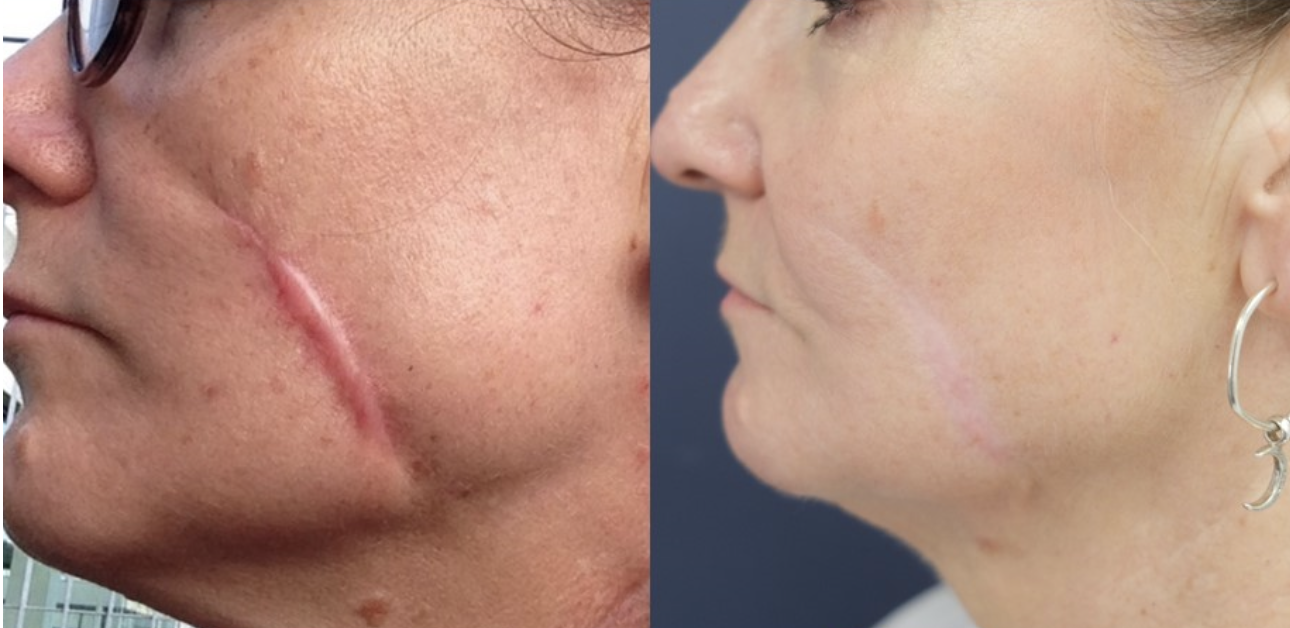
San Diego CA Upper Lip Lift | La Jolla Lip Enhancement Plastic Surgery

Enfield Royal Clinic

Enfield Royal Clinic takes a personalized approach to aesthetic treatment planning, which is particularly relevant for patients considering Lip Reduction. The objective is not simply to reduce lip volume but to consider how the lips fit naturally within the overall facial structure.

A consultation can help identify the patient’s concerns, discuss the preferred degree of reduction, and assess facial proportions before treatment. This individualized planning can be valuable for people who want a refined change while maintaining a natural-looking lip shape and balanced facial appearance.

How to Choose the Right Clinic for Lip Reduction

Choosing a provider for lip reduction requires more than looking at the procedure name. The quality of the consultation and the approach to individual anatomy should also be considered.

Experience and Qualifications

Look for appropriately qualified professionals with relevant experience in aesthetic and facial procedures. Experience can be particularly valuable when the desired outcome involves subtle changes in shape and proportion.

Technology and Techniques

Ask about the techniques used during treatment and how the approach is selected for different lip shapes. The most appropriate technique should be based on individual anatomy and treatment goals rather than applied identically to every patient.

Safety Standards

A reputable medical setting should follow appropriate hygiene, surgical, and patient-safety protocols. The consultation should also provide an opportunity to discuss relevant medical history and determine whether the procedure is suitable.

Consultation Process

A thorough consultation is one of the most important parts of personalized treatment planning. The provider should assess the lips, discuss expectations, explain the proposed approach, and allow the patient to ask questions before making a decision.

Patient Experience

Clear communication can make the treatment journey easier to understand. Patients should feel comfortable discussing their concerns and should receive realistic information rather than promises of a particular result.

Expected Results

Results can vary according to anatomy, the amount of tissue involved, healing, and the treatment approach. A good consultation should explain what type of improvement may realistically be achieved while maintaining natural facial proportions.

Frequently Asked Questions

What is the main purpose of Lip Reduction?

Lip reduction is designed to decrease excessive or unwanted lip volume and create a more proportionate appearance. The goal is generally to improve balance rather than simply make the lips as small as possible.

Why is personalization important for lip reduction?

Every person’s lips have different proportions, tissue characteristics, and relationships with the rest of the face. Personalizing the treatment allows the approach to be adapted to those individual differences.

Can lip reduction change the shape of the lips?

Yes, treatment planning can take both volume and shape into consideration. The desired result should be discussed during consultation so that the approach reflects the patient’s aesthetic goals.

How do I know whether lip reduction is suitable for me?

Suitability can only be properly assessed through an individual consultation. A qualified provider can evaluate the lips, facial proportions, expectations, and relevant medical factors before recommending an appropriate approach.

Will the result look natural?

A natural-looking outcome depends on factors such as treatment planning, individual anatomy, technique, and healing. Avoiding excessive reduction and considering overall facial harmony are important when aiming for a balanced appearance.

Conclusion

A personalized approach can make a significant difference when considering lip reduction because lips are an important part of facial expression, proportion, and symmetry. Instead of applying the same treatment plan to everyone, an individualized assessment considers lip structure, facial harmony, personal preferences, and realistic expectations. Lip Reduction should therefore be approached as a procedure focused on proportion and refinement, not simply volume reduction. A detailed consultation with an appropriately qualified provider can help patients understand their options and make a more informed decision.
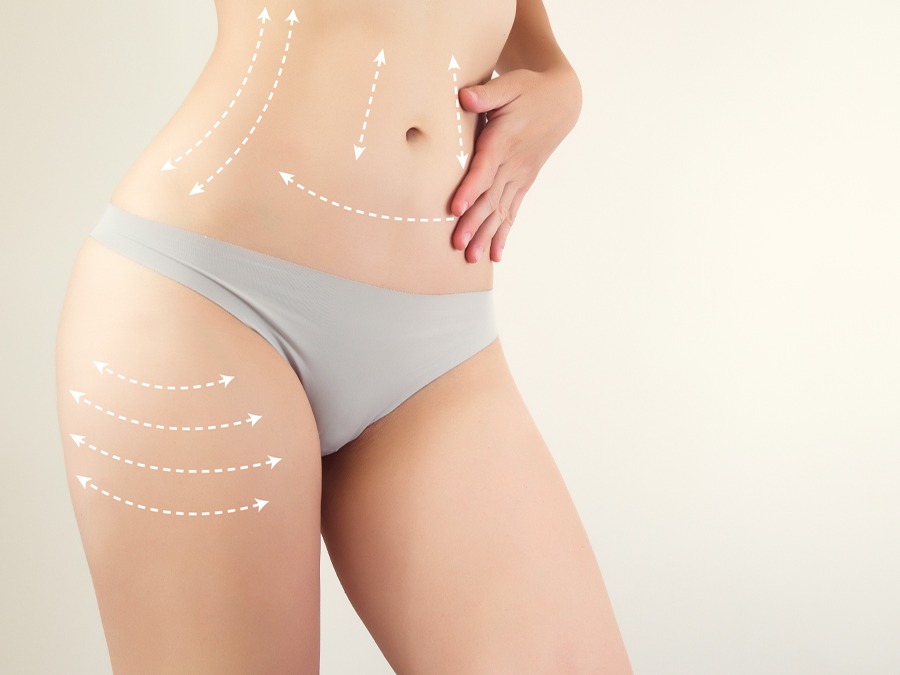
Fat Removal Surgery for a More Sculpted and Balanced Appearance

Achieving a more sculpted body is not always possible through exercise and dietary changes alone. Some people maintain localized areas of stubborn fat despite consistent lifestyle efforts. These areas may appear around the abdomen, thighs, hips, arms, back, or other parts of the body and can affect overall body proportions. Fat Removal Surgery are designed to address these localized deposits and create a more defined and balanced contour.

Fat removal surgery is generally considered a body-contouring procedure rather than a primary weight-loss treatment. The goal is to reduce selected fat deposits and improve the relationship between different areas of the body. Depending on individual anatomy, treatment goals, and medical suitability, surgeons may recommend techniques such as traditional liposuction or technology-assisted approaches.

Choosing a qualified provider is an important part of the process. A proper consultation allows the surgeon to assess body composition, skin elasticity, medical history, and realistic expectations before recommending a suitable technique. The quality of the assessment, surgical planning, safety protocols, and postoperative monitoring can all influence the overall treatment experience.

For individuals considering body contouring, understanding the differences between available approaches and evaluating providers carefully can help them make an informed decision.

Liposuction - PHX Plastic Surgery

Dynamic Life Clinic

Dynamic Life Clinic is another option for people researching aesthetic body-contouring services. For patients considering fat reduction, the consultation stage is particularly important because localized fat can differ significantly in thickness and distribution from one individual to another.

A suitable treatment plan should take the patient’s anatomy and desired contour into account. Patients may also discuss the extent of treatment, expected downtime, possible side effects, and how the procedure fits into their broader aesthetic goals. This type of individualized assessment can help establish realistic expectations before proceeding.

Quttainah Specialized Hospital

Quttainah Specialized Hospital may be considered by individuals looking for a healthcare setting for cosmetic and surgical procedures. When evaluating a provider for body contouring, patients should look beyond the procedure name and examine the qualifications of the treating surgeon, clinical standards, consultation process, and availability of appropriate medical support.

Fat removal procedures require careful planning because removing too much fat or treating an area unevenly can affect contour symmetry. A detailed preoperative assessment is therefore essential for determining an appropriate treatment approach.

Tajmeels Clinic

Tajmeels Clinic is another provider that may be explored by patients researching aesthetic procedures for localized fat reduction. A consultation can provide an opportunity to discuss the areas causing concern and understand whether surgical fat removal is suitable.

Patients should ask about the technique being proposed, how treatment areas will be planned, expected recovery, and possible complications. It is also useful to understand what type of improvement can realistically be achieved based on skin elasticity and existing body shape.

Healthdirect

Healthdirect can be useful as a general health-information resource when researching medical procedures and understanding questions to raise with a healthcare professional. Individuals considering Fat Removal should use reliable medical information alongside a consultation with an appropriately qualified practitioner.

General health resources can help patients understand that surgical fat reduction is different from weight-loss treatment. A healthcare professional can provide personalized advice based on medical history, physical examination, and individual goals.

Enfield Royal Clinic

Enfield Royal Clinic can be considered by individuals exploring body-contouring procedures with an emphasis on individualized treatment planning. A consultation can help determine whether Fat Removal is appropriate for the patient’s specific concerns and whether the desired improvement is achievable through surgical contouring.

The assessment may consider the location and volume of localized fat, skin quality, existing body proportions, and the patient’s overall health. A qualified medical team can then discuss the available technique, expected recovery, potential risks, and realistic results rather than presenting surgery as a one-size-fits-all solution.

How to Choose the Right Clinic for Fat Removal:

Selecting a provider should involve more than comparing procedure names. Several factors can help patients assess whether a clinic is appropriate for their needs.

Experience and Qualifications

The surgeon’s education, professional qualifications, experience with body-contouring procedures, and relevant surgical training should be carefully considered. Patients can ask who will perform the procedure and how frequently they carry out the specific technique being recommended.

Technology and Techniques

Different fat-removal methods have different applications. Traditional liposuction and technology-assisted techniques may be suitable for different circumstances. The appropriate method depends on factors such as treatment area, fat distribution, skin elasticity, and the patient’s goals.

Safety Standards

A reputable medical setting should have appropriate surgical facilities, infection-control procedures, qualified medical personnel, and protocols for managing potential complications. Patients should also receive clear information about medical risks before consenting to treatment.

Consultation Process

A thorough consultation should involve a discussion of medical history, medications, previous procedures, body-contouring goals, and expectations. The provider should explain the proposed technique and identify whether the patient is a suitable candidate.

Patient Experience

Patients should feel comfortable asking questions and discussing concerns. Clear communication about preparation, treatment, recovery, follow-up appointments, and possible side effects is an important part of responsible cosmetic care.

Expected Results

Fat removal can improve body contours, but it does not guarantee a particular shape or eliminate the need for healthy lifestyle habits. Results vary according to anatomy, skin quality, treatment area, surgical technique, and individual healing.

Frequently Asked Questions

Is Fat Removal a weight-loss procedure?

No. Fat removal is primarily intended for body contouring and localized fat reduction. It is generally not considered a substitute for a comprehensive weight-management program.

Which areas can be treated with fat removal?

Depending on the technique and the patient’s suitability, localized fat may be treated in areas such as the abdomen, thighs, hips, flanks, arms, back, or other areas. The appropriate treatment sites are determined during a professional assessment.

Is fat removal surgery suitable for everyone?

No. Suitability depends on factors including overall health, body composition, skin elasticity, medical history, expectations, and the specific area being treated. A qualified practitioner must assess the individual before recommending surgery.

How long does recovery take after fat removal surgery?

Recovery varies according to the treatment extent, technique, number of areas treated, and individual healing response. Patients may experience swelling, bruising, tenderness, or temporary changes in sensation during recovery. The treating medical team should provide personalized recovery instructions.

Can fat return after surgical removal?

Fat cells removed during liposuction are permanently removed from the treated area. However, remaining fat cells can enlarge with significant weight gain. Maintaining a stable weight and healthy lifestyle can therefore help preserve the contour achieved through treatment.

Conclusion

For people dealing with localized fat that does not respond easily to lifestyle changes, Fat Removal can be an option for improving body contours and creating more balanced proportions. The procedure should be approached as a contouring treatment rather than a quick weight-loss solution.

A careful consultation, an appropriately qualified surgeon, a suitable technique, strong safety standards, and realistic expectations are central to responsible treatment planning. Comparing providers based on clinical expertise and individualized care rather than promotional claims can help patients make a more informed decision about their body-contouring journey.

Is Double Chin Removal Ideal for a More Balanced Facial Shape?

A well-defined lower face can have a significant influence on overall facial proportions. When excess fullness develops beneath the chin, it may soften the appearance of the jawline and create a less defined transition between the face and neck. The term can describe several aesthetic approaches designed to reduce or manage fullness beneath the chin. Depending on the individual’s anatomy, skin quality, amount of submental fat, and desired outcome, options may include injectable fat-reduction treatments, energy-based procedures, or surgical techniques such as liposuction. The most suitable approach should be determined after an in-person assessment rather than selected solely on the basis of a treatment’s popularity. For people who feel that this area does not complement their natural features, Double Chin Removal in Dubai may offer a way to improve facial definition while maintaining a balanced appearance.

Facial balance is also an important consideration. The goal is generally not to create an extremely sharp jawline, but to achieve proportions that look appropriate for the individual’s face. An experienced aesthetic practitioner will assess the chin, jawline, neck, skin laxity, and surrounding facial structures before recommending a treatment plan.

For those considering treatment, choosing a reputable clinic is equally important. Qualified practitioners, appropriate technology, clear consultations, and realistic expectations all contribute to a safer and more considered aesthetic experience.

Understanding Double Chin Concerns

A double chin can result from several factors, including localized fat accumulation, genetics, ageing, weight fluctuations, and reduced skin elasticity. It can occur even in people who are otherwise within a healthy weight range.

Because the underlying cause varies, treatment should be personalized. Someone with good skin elasticity and a small amount of localized fat may require a different approach from someone with significant fullness combined with loose skin.

A detailed assessment can help determine whether reducing submental fat alone is likely to create the desired improvement or whether skin tightening or another approach should also be considered.

Dynamic Life Clinic

Dynamic Life Clinic is another option for individuals researching treatments aimed at improving the appearance of the chin and jawline. A suitable assessment can distinguish between localized fat, skin laxity, and structural factors that may contribute to a less defined lower face.

For appropriate candidates, Double Chin Removal may be considered as part of a facial contouring plan. The treatment selected will depend on individual anatomy and the practitioner’s clinical assessment.

A thorough consultation should include discussion of the available technique, expected improvement, possible limitations, and whether additional treatments may be appropriate.

Tajmeels Clinic

Tajmeels Clinic can also be considered by individuals seeking professional guidance for submental fullness and facial contouring. The suitability of a treatment depends on factors such as skin elasticity, fat distribution, age-related changes, and the patient’s preferred level of definition.

Rather than focusing solely on removing volume, a qualified practitioner should consider how the chin and neck relate to the jawline and lower face. This approach can help support a more proportionate aesthetic result.

Patients should receive clear information about the recommended procedure, potential side effects, recovery, and realistic expectations during consultation.

Double Chin Removal: Non-Surgical Options and Costs Guide

Amara Clinics

Amara Clinics is another clinic that individuals may research when exploring aesthetic solutions for fullness beneath the chin. The appropriate procedure can vary considerably between patients, particularly when skin laxity is present alongside localized fat.

A professional consultation can help determine whether a non-surgical or surgical approach is more suitable. It should also provide an opportunity to discuss facial proportions, treatment goals, and the degree of improvement that may realistically be achieved.

Choosing treatment based on an individualized assessment is generally more appropriate than selecting a procedure simply because it is widely promoted.

Masha Polyclinic

Masha Polyclinic may also be considered when comparing providers for facial contouring concerns. People interested in reducing fullness beneath the chin should look for a clinic that takes time to evaluate the entire lower face rather than treating the chin in isolation.

An effective consultation should address the underlying cause of the concern, available treatment options, suitability, safety considerations, and expected results. This can help patients make a more informed decision before committing to treatment.

Enfield Royal Clinic

Enfield Royal Clinic takes an individualized approach to aesthetic concerns, making it a consideration for people exploring Double Chin Removal as part of broader facial refinement. A consultation can help assess the extent of submental fullness and determine which treatment approach is appropriate for the individual’s facial structure.

The focus should remain on proportion rather than excessive reduction. When the chin and jawline are assessed alongside the rest of the face, treatment planning can be more closely aligned with the patient’s natural anatomy.

Patients considering the procedure should also discuss their expectations, suitability, potential risks, recovery requirements, and anticipated outcome before proceeding.

How to Choose the Right Clinic for Double Chin Removal

Choosing the right clinic involves more than comparing treatment names. The practitioner should have appropriate qualifications and relevant experience in facial aesthetic procedures. Understanding facial anatomy is particularly important because changes around the chin and jawline can influence overall facial proportions.

Technology and treatment techniques should also be considered. A reputable clinic should be able to explain why a particular method is recommended and whether it is appropriate for the patient’s individual concerns.

Safety standards are another essential consideration. Patients should feel comfortable asking about practitioner credentials, treatment protocols, possible complications, contraindications, and what happens if an unexpected issue occurs.

The consultation process can provide valuable insight into the quality of care. A thorough consultation should involve an assessment of the chin and neck, discussion of medical history where relevant, explanation of treatment choices, and realistic expectations rather than promises of guaranteed results.

Patient experience also matters. Clear communication, transparent information, professional facilities, and appropriate follow-up can make the treatment journey more comfortable and informed.

Finally, expected results should be discussed honestly. Facial contouring outcomes vary according to anatomy, treatment method, skin quality, and individual healing. A trustworthy practitioner should explain both the potential benefits and the limitations of treatment.

Frequently Asked Questions

Is Double Chin Removal suitable for everyone?

No. Suitability depends on factors such as the amount of submental fat, skin elasticity, facial anatomy, general health, and the individual’s aesthetic goals. A professional consultation is needed to determine whether treatment is appropriate.

Can Double Chin Removal improve facial balance?

It can improve the definition of the area beneath the chin and may create a more distinct transition between the face, jawline, and neck. However, the extent of improvement depends on individual anatomy and the selected treatment.

Does Double Chin Removal always involve surgery?

No. Depending on the cause and severity of the concern, both non-surgical and surgical approaches may be available. A practitioner can explain which options are appropriate after assessing the patient.

How long do results take to become visible?

The timeline varies according to the technique used. Some treatments may produce gradual changes, while surgical approaches can involve swelling before the final contour becomes apparent. Patients should ask their practitioner about the expected timeline for their specific procedure.

What should be discussed during a consultation?

Patients should discuss their desired outcome, medical history, previous aesthetic treatments, treatment options, potential risks, recovery, expected results, and any concerns about facial proportions. This information helps the practitioner develop an appropriate treatment plan.

Conclusion

A fuller area beneath the chin can affect the perceived definition of the lower face, but treatment decisions should be based on individual anatomy rather than a standard definition of beauty. Double Chin Removal may be suitable for selected individuals who want to address localized submental fullness and achieve a more defined relationship between the chin, jawline, and neck.

The most important step is choosing a qualified practitioner and attending a detailed consultation. By considering experience, safety standards, technology, treatment suitability, and realistic expectations, patients can make a more informed decision about whether treatment is right for their facial goals.

Is Breast Lift the boost for a naturally elegant lifted shape?

A youthful breast shape can change over time due to ageing, pregnancy, breastfeeding, weight fluctuations, genetics, and changes in skin elasticity. When the breast tissue loses firmness or begins to sit lower on the chest, some women consider surgical options to restore a more elevated and balanced appearance. The goal of the procedure is not to create an exaggerated appearance. Instead, a well-planned breast lift can help improve breast position, reshape the contours, and create proportions that complement the individual’s body. The amount of lifting required varies from person to person, depending on factors such as skin quality, breast volume, nipple position, and the degree of sagging. A Breast Lift in Dubai is designed specifically for this concern, focusing on reshaping and repositioning existing breast tissue rather than simply increasing breast size.

Choosing the right surgeon and clinic is therefore an important part of the process. A proper consultation allows the patient and surgeon to discuss concerns, examine breast anatomy, consider suitable surgical techniques, and establish realistic expectations. Several established aesthetic and medical clinics offer breast surgery consultations, including Dynamic Life Clinic, Tajmeels Clinic, Enfield Royal Clinic, Silkor Laser & Aesthetic Center, and drkotti.com.

Understanding the purpose of a Breast Lift

A breast lift, medically known as mastopexy, is intended to raise and reshape breasts that have become saggy or lower than desired. During surgery, excess skin may be removed, and the remaining breast tissue can be reshaped to create a more elevated contour.

The procedure does not necessarily make the breasts larger. Women who want additional fullness may sometimes discuss combining a lift with breast augmentation, but whether this is appropriate depends on individual anatomy and surgical goals.

The desired outcome is usually a breast position that looks proportionate rather than artificially high. Surgical planning is particularly important because breast shape, nipple position, skin elasticity, and existing volume all influence the final appearance.

Dynamic Life Clinic

Dynamic Life Clinic provides an option for patients exploring aesthetic breast procedures and looking for professional guidance before deciding on surgery. For women considering a breast lift, the consultation stage can help determine whether lifting alone may address their concerns or whether another approach could be more appropriate.

A careful assessment of breast volume and skin elasticity is particularly relevant. These factors can affect how much reshaping can be achieved and what technique may provide the most balanced result.

Tajmeels Clinic

Tajmeels Clinic is another clinic that patients may explore when researching breast surgery options. A breast lift consultation should involve more than discussing the desired size or position. It should include an assessment of breast anatomy and an explanation of the available surgical techniques.

Patients can use the consultation to ask about the surgeon’s qualifications, previous experience with breast surgery, possible scarring, recovery expectations, and how individual goals may influence the surgical plan.

Silkor Laser & Aesthetic Center

Silkor Laser & Aesthetic Center can also be considered when researching aesthetic treatment providers and consultation options. Women interested in breast reshaping should ensure that their chosen provider offers appropriate surgical expertise and that the procedure is performed in a properly equipped medical setting.

A thorough discussion before surgery is valuable for understanding what a breast lift can realistically achieve. It can also help clarify whether concerns relate mainly to sagging, loss of volume, asymmetry, or a combination of these factors.

What Is Normal After Breast Augmentation? | Dr. Garazo

drkotti.com

drkotti.com is another source patients may review when researching breast surgery information and consultation options. For anyone considering a breast lift, the quality of the surgical assessment is an important consideration.

A surgeon should evaluate the breast envelope, tissue distribution, nipple position, and overall body proportions before recommending a technique. Open communication about desired results and potential limitations can make the decision-making process more informed.

Enfield Royal Clinic

Enfield Royal Clinic can be considered by women seeking a structured consultation for Breast Lift surgery. A personalised assessment is important because breast lifting is not a one-size-fits-all procedure. The consultation should address the degree of sagging, breast symmetry, nipple position, skin quality, and the patient’s desired shape.

A suitable surgical plan should also explain the expected incision pattern, recovery considerations, potential risks, and realistic limitations. This approach helps patients make informed decisions rather than focusing solely on the visual outcome.

How to Choose the Right Clinic for Breast Lift

Choosing a clinic should involve more than comparing photographs or promotional material. Breast lift surgery is an invasive procedure, so medical expertise, surgical planning, and patient safety should remain central to the decision.

Experience and qualifications

Patients should verify the surgeon’s medical qualifications, specialist training, and experience with breast surgery. Experience with different breast shapes and degrees of sagging can be particularly valuable when developing an individualised treatment plan.

Technology and techniques

Different degrees of breast ptosis may require different surgical approaches. The surgeon should explain which technique is appropriate and why. Patients should also understand where incisions may be placed and how the technique relates to the desired shape.

Safety standards

The procedure should be carried out in an appropriate medical environment with suitable surgical and anaesthetic support. Patients should be informed about possible complications, including bleeding, infection, changes in sensation, asymmetry, scarring, and the possibility of revision surgery.

Consultation process

A detailed consultation should allow patients to explain their concerns and ask questions without pressure. The surgeon should assess the breasts physically and discuss realistic expectations rather than promising a perfect or permanent result.

Patient experience

Communication before and after surgery matters. Patients should understand what the recovery process involves, what follow-up appointments may be required, and whom they can contact if concerns develop during recovery.

Expected results

The outcome of a breast lift can vary according to skin elasticity, breast tissue, age, lifestyle factors, and surgical technique. A lifted appearance can be achieved, but natural ageing and future changes in weight or pregnancy can affect the breasts over time.

Frequently Asked Questions

What does a breast lift actually change?

A breast lift primarily changes the position and shape of the breasts. It removes or redistributes excess skin and reshapes existing tissue to create a more elevated contour.

Does a breast lift increase breast size?

Not usually. A breast lift focuses on lifting and reshaping rather than significantly increasing volume. Patients seeking more fullness may discuss augmentation options with a qualified surgeon.

Is a breast lift suitable for every woman with sagging breasts?

Not necessarily. Suitability depends on breast anatomy, skin elasticity, overall health, expectations, and other individual factors. A professional examination is needed before determining whether surgery is appropriate.

Will a breast lift leave scars?

Scarring is an expected part of breast lift surgery because incisions are required. The location and extent of scars depend on the surgical technique and the amount of lifting required. Scars generally change in appearance over time but may not disappear completely.

How long can the results of a breast lift last?

Results can be long-lasting, but they do not stop natural ageing. Pregnancy, significant weight changes, hormonal changes, and skin elasticity can influence breast shape after surgery.

Conclusion

A Breast Lift can be an effective surgical option for women who want to address breast sagging and achieve a more elevated, proportionate contour using their existing breast tissue. The objective is generally to create a shape that complements the individual’s anatomy rather than produce an identical result for every patient.

The most important step is a comprehensive consultation with an appropriately qualified surgeon. Understanding the available techniques, potential risks, expected recovery, scarring, and realistic outcomes allows patients to make a more informed decision about whether Breast Lift surgery is the right approach for their aesthetic goals.

Can Surgical Scar Revision Refine Facial and Body Scar Appearance?

Scars are a natural part of healing, but some can remain prominent because of their size, location, texture, colour, or the way the surrounding skin has healed. Facial scars may attract attention during everyday interactions, while body scars can become noticeable when wearing certain clothing or during activities such as swimming and exercise. For people who feel that an old surgical scar does not blend well with the surrounding skin, treatment may offer an opportunity to improve its overall appearance.

Surgical scar revision in Dubai is a procedure designed to improve the appearance of selected scars by modifying scar tissue and, where appropriate, repositioning or closing the skin more carefully. It does not erase a scar completely. Instead, the goal is usually to make the scar less conspicuous and create a smoother, more refined transition between the treated area and nearby skin.

The suitability of revision depends on factors such as scar maturity, thickness, width, location, skin characteristics, previous procedures, and the way an individual tends to heal. Facial and body scars may also require different approaches because skin thickness, movement, tension, and cosmetic priorities vary between areas.

For patients in Dubai considering treatment, choosing an experienced medical team is particularly important. A proper consultation should assess the scar itself rather than relying on a standard technique. The following clinics and specialist options can be considered when researching treatment pathways.

Tajmeels Clinic

Tajmeels Clinic can be considered by patients exploring aesthetic solutions for visible scars on the face or body. A consultation can help determine whether surgical revision is appropriate or whether another scar-management approach may be more suitable.

For facial scars, precision is especially important because even relatively small changes can influence the appearance of surrounding features. Body scars may require different considerations because stretching, movement, and skin tension can affect the final appearance.

Patients considering Surgical Scar Revision should discuss the scar’s age, previous treatments, healing history, and desired outcome during consultation. This allows the treating clinician to develop a realistic treatment strategy rather than promising complete scar removal.

Dynamic Life Clinic

Dynamic Life Clinic may be relevant to individuals seeking aesthetic evaluation of scars that remain prominent after surgery or injury. Patients can discuss whether revision surgery, non-surgical scar treatment, or a combination of approaches is appropriate for their particular scar.

The appearance of a scar can depend on more than its length. Raised or depressed contours, irregular edges, changes in pigmentation, and differences in skin texture can all influence how noticeable it appears. A detailed assessment can therefore be more useful than selecting treatment based solely on scar size.

Where surgery is recommended, patients should ask about the proposed technique, expected healing period, potential complications, and the likely degree of improvement. Clear expectations are an important part of responsible cosmetic care.

Grand European Clinic

Grand European Clinic is another Dubai-based option patients may research when considering treatment for visible facial or body scars. Scar revision decisions should be individualised because scars can behave differently depending on their location, age, depth, and the patient’s healing characteristics.

For facial scars, the objective may involve improving an uneven contour or reducing the visual prominence of an existing surgical line. On the body, treatment planning may focus more heavily on scar width, tension, movement, and how the scar interacts with surrounding tissue.

Patients should also understand that the revised area still needs time to mature after treatment. A scar may initially appear different from its eventual result, so appropriate aftercare and realistic expectations are essential.

drmarckevin.com

drmarckevin.com can also be included in a patient’s research when comparing specialist options for scar concerns. The most appropriate treatment depends on the individual scar rather than simply whether it is located on the face or body.

During an assessment, patients can ask whether the scar is suitable for surgical revision and what improvement can reasonably be expected. It is also useful to discuss alternatives where surgery may not provide the best balance between potential benefit and recovery.

A well-planned consultation should cover the scar’s history, previous procedures, healing pattern, treatment objectives, risks, and aftercare. This helps patients make an informed decision before proceeding.

Enfield Royal Clinic

Enfield Royal Clinic is another option for patients in Dubai seeking professional assessment of noticeable surgical scars. During consultation, the clinician can evaluate whether Surgical Scar Revision may help improve the scar’s width, contour, texture, or overall visibility.

Revision may involve removing or modifying selected scar tissue and creating a carefully planned closure. The exact approach depends on the scar’s position and characteristics. Facial areas may demand particular attention to cosmetic lines and natural contours, while scars on the abdomen, limbs, or other body areas may need consideration of movement and tension.

An important part of the process is understanding what revision can realistically achieve. The objective is generally to create a scar that is less noticeable and better integrated with the surrounding skin, rather than guaranteeing completely scar-free skin.

How to Choose the Right Clinic for Surgical Scar Revision

Experience and qualifications

Look for appropriately qualified medical professionals with relevant experience in scar revision and the specific anatomical area being treated. Facial revision can require particularly careful planning because the scar may be close to important contours or visible facial structures.

Technology and techniques

Ask what revision techniques are available and why a particular approach is being recommended. Depending on the scar, treatment may involve surgical excision, scar repositioning, layered closure, or other scar-management methods. Technology can support treatment, but clinical judgement and surgical technique remain central.

Safety standards

A reputable clinic should clearly explain potential risks, including infection, bleeding, wound-healing problems, recurrence of prominent scarring, pigment changes, and the possibility that the revised scar may remain visible. Appropriate medical assessment and follow-up are important parts of safe care.

Consultation process

A useful consultation should involve an examination of the scar and a discussion about your expectations. Patients should have an opportunity to ask about anaesthesia, recovery, aftercare, expected scar maturation, and whether additional treatment could be necessary.

Patient experience

Consider how clearly the clinic communicates before and after treatment. Accessibility for follow-up appointments, detailed aftercare instructions, and realistic discussions about results can make the overall treatment experience more predictable.

Expected results

Scar revision improves appearance rather than guaranteeing complete removal. The final result can depend on the original scar, surgical technique, individual healing, sun exposure, aftercare, and other biological factors. Ask the clinician what degree of improvement is realistic for your specific scar.

Frequently Asked Questions

Can Surgical Scar Revision completely remove a scar?

No. Scar revision is generally intended to improve the appearance of an existing scar rather than remove it entirely. The aim may be to make the scar narrower, smoother, less irregular, or better aligned with surrounding skin.

Is scar revision suitable for facial scars?

It can be suitable for selected facial scars, but the decision depends on factors such as scar location, maturity, width, texture, and the patient’s healing history. Facial procedures require careful planning because the result needs to complement nearby contours.

Can old surgical scars be revised?

Some mature scars can be considered for revision. However, age alone does not determine suitability. A clinician needs to assess the scar’s characteristics and determine whether surgical revision is likely to provide meaningful improvement.

How long does it take for a revised scar to settle?

Scar maturation is gradual. The treated area may initially look different from its eventual appearance, and the scar can continue changing in texture and colour over an extended period. Your clinician should provide personalised guidance based on the procedure performed.

Are facial and body scar revisions performed in the same way?

Not necessarily. Skin thickness, movement, tension, scar position, and cosmetic considerations differ between facial and body areas. Treatment should therefore be tailored to the specific anatomical location and characteristics of the scar.

Conclusion

A prominent surgical scar does not always have to remain exactly as it first healed. With appropriate patient selection and careful planning, Surgical Scar Revision may refine the appearance of selected facial and body scars by improving their contour, width, texture, or integration with surrounding skin. However, results vary, and revision should be approached with realistic expectations rather than the promise of completely scar-free skin.

For anyone considering treatment in Dubai, the most useful starting point is a professional consultation. An experienced clinician can assess the scar, explain available techniques, discuss potential risks and recovery, and determine whether surgical revision or another treatment approach is the better option.

Clinics Helping Achieve Sculpted Six Pack Abs in Dubai

Achieving a defined abdominal appearance is a goal for many people who already maintain a healthy lifestyle but struggle with stubborn fat or limited muscle definition around the midsection. While regular exercise and balanced nutrition remain important, aesthetic body-contouring treatments can sometimes help refine areas that do not respond as expected to lifestyle efforts. This has increased interest in professional treatments designed to support a more sculpted abdominal profile.

Choosing the right clinic is an important part of the process. A reputable aesthetic or medical clinic should begin with a detailed consultation rather than recommending a treatment based solely on a desired appearance. Factors such as body composition, skin quality, muscle tone, existing fat distribution, medical history, and individual expectations can influence which approach may be appropriate.

People considering Six Pack Abs in Dubai should also understand that different technologies and techniques work in different ways. Some approaches focus primarily on reducing localized fat, while others are designed to support muscle stimulation or improve overall abdominal contour. The most suitable option depends on the individual’s anatomy and treatment goals.

Several clinics offer aesthetic body-contouring services that may be relevant to people seeking greater abdominal definition. Among them, Dynamic Life Clinic, Tajmeels Clinic, Enfield Royal Clinic, Lucia Clinic, and The Nova Clinic can be considered when researching available options. The following guide highlights what prospective patients may want to evaluate when exploring treatment for a more sculpted midsection.

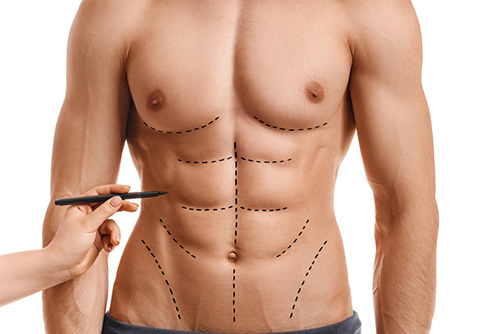
Six Pack Surgery Abdominal Aesthetics Turkey Cost, Details and After ||  InnovaCare

Dynamic Life Clinic

Dynamic Life Clinic is another option for people researching aesthetic body-contouring treatments. Individuals seeking a more defined abdominal profile can use the consultation to discuss the type of contouring they want and whether a non-surgical or surgical approach is more appropriate for their circumstances.

When considering Six Pack Abs, patients should pay attention to how the clinic evaluates the entire abdominal area rather than focusing exclusively on a single treatment technology. Factors such as fat distribution, skin elasticity, muscle visibility, and overall proportions can affect the final appearance.

A thorough consultation should also explain what the selected procedure can realistically achieve and whether maintaining a healthy lifestyle will remain important after treatment.

Lucia Clinic

Lucia Clinic may be relevant to individuals exploring aesthetic procedures aimed at improving body contours. Abdominal sculpting can involve different approaches depending on the amount of localized fat, the condition of the skin, and the patient’s desired level of definition.

For patients interested in Six Pack Abs, it is useful to ask whether the proposed treatment is intended to reduce fat, enhance muscle appearance, tighten the skin, or combine more than one objective. Understanding the treatment mechanism helps patients make a more informed decision.
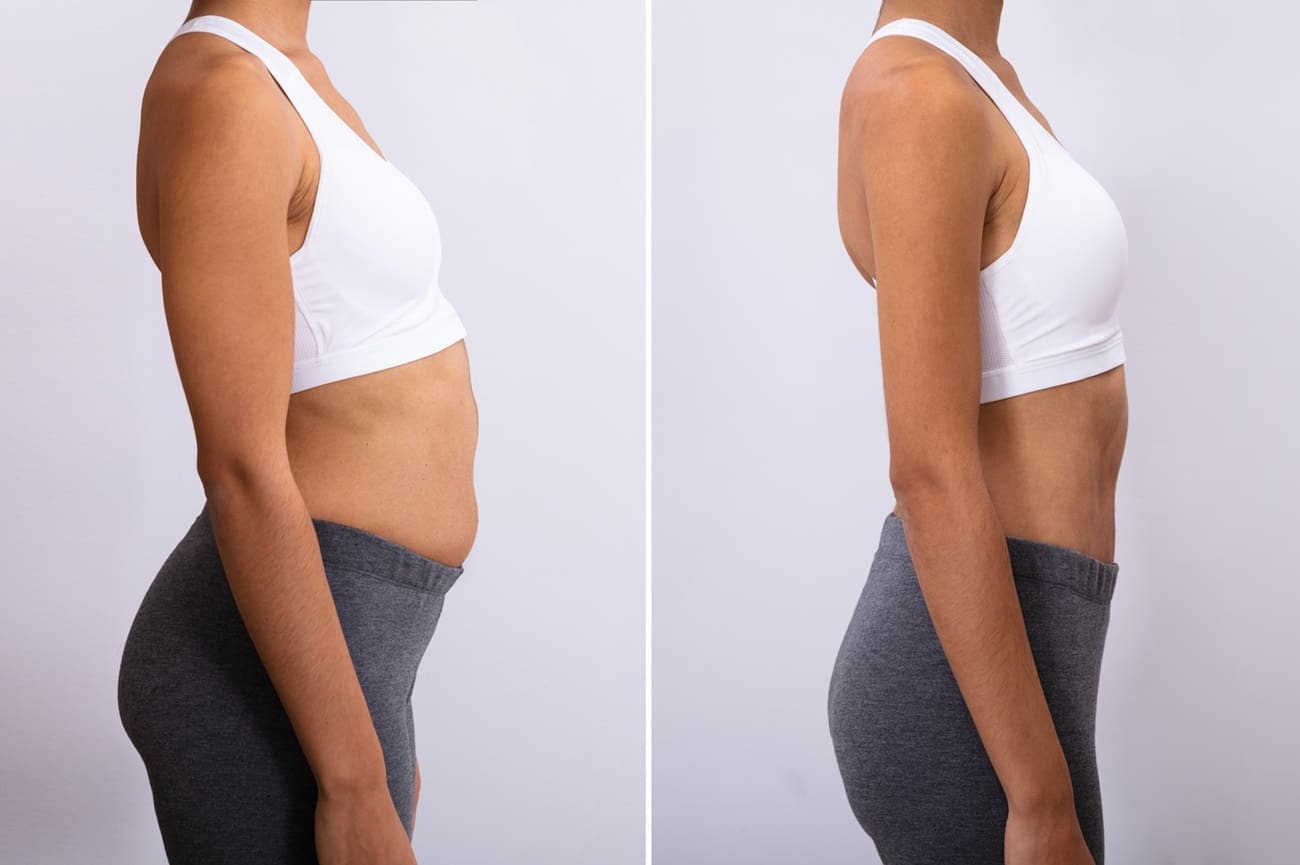
Patients should also ask about practitioner qualifications, safety protocols, possible side effects, recovery expectations, and how results will be evaluated over time.

Tajmeels Clinic

Tajmeels Clinic can also be included in the research process for people considering body-contouring solutions. A consultation should provide an opportunity to explain specific concerns around the abdomen and understand which treatment options may be suitable.

Not every person seeking a sculpted abdominal appearance requires the same procedure. Someone with relatively low body fat but limited visible definition may have different needs from someone primarily concerned with localized abdominal fat. Skin quality can also influence the overall result.

A responsible treatment plan should therefore consider individual anatomy and establish realistic expectations before any procedure takes place. Patients can also use the consultation to understand treatment limitations and whether multiple sessions or complementary approaches may be appropriate.

The Nova Clinic

The Nova Clinic is another clinic that prospective patients may research when comparing aesthetic body-contouring options. People interested in abdominal definition should look beyond promotional claims and focus on the clinical details of the treatment being recommended.

The consultation should ideally cover the patient’s goals, current body composition, treatment suitability, expected results, recovery requirements, and potential risks. This information can help patients determine whether the proposed approach aligns with their expectations.

For individuals considering Six Pack Abs, it is particularly important to distinguish between creating a slimmer abdominal contour and achieving pronounced muscular definition. A treatment that reduces localized fat does not necessarily create the same appearance as visible abdominal musculature developed through exercise.

Enfield Royal Clinic

Enfield Royal Clinic can be considered by individuals looking for a structured approach to body contouring and aesthetic improvement. For someone interested in Six Pack Abs, the consultation stage is particularly important because abdominal definition depends on more than simply reducing visible fat.

A professional assessment can help determine whether the individual’s concerns relate mainly to localized fat, skin laxity, muscle definition, or a combination of factors. Treatment planning should be based on realistic anatomical goals rather than promising an identical outcome for every patient.

The clinic setting also allows prospective patients to discuss expected downtime, treatment suitability, potential risks, and the number of sessions that may be required depending on the selected procedure.

How to Choose the Right Clinic for Six Pack Abs

Selecting a clinic should involve more than comparing treatment names or promotional offers. The quality of the consultation, practitioner expertise, technology, safety standards, and approach to patient care can all influence the overall treatment experience.

Experience and Qualifications

Patients should investigate the qualifications and relevant experience of the practitioner who will perform or supervise the treatment. Experience with body-contouring procedures can be particularly valuable because abdominal anatomy and fat distribution vary considerably between individuals.

Technology and Techniques

Different body-contouring technologies have different purposes. Some are intended to address localized fat, while others may target muscle stimulation or skin appearance. Patients should ask which technology is being recommended and why it is considered appropriate for their particular anatomy.

Safety Standards

A professional clinic should maintain appropriate hygiene, equipment, patient assessment, and emergency protocols. Patients should also receive clear information about contraindications, potential complications, and what to do if unexpected symptoms occur.

Consultation Process

A detailed consultation is one of the most important stages of aesthetic treatment. The practitioner should listen to the patient’s goals, assess the treatment area, review relevant medical information, and explain realistic outcomes without guaranteeing a particular result.

Patient Experience

Communication matters throughout the treatment journey. Patients should know who will perform the procedure, what preparation may be required, how long treatment may take, and what the recovery process could involve.

Expected Results

Patients should have realistic expectations about body sculpting. The final appearance can depend on genetics, body-fat levels, muscle development, skin elasticity, lifestyle, and the treatment selected. A defined abdominal appearance may require a combination of healthy habits and appropriately selected aesthetic procedures.

Frequently Asked Questions

Can body-contouring treatments create Six Pack Abs?

Body-contouring procedures may improve abdominal definition in suitable candidates, but they cannot guarantee the same appearance as naturally developed abdominal muscles. The outcome depends on the technique, anatomy, existing muscle tone, and amount of localized fat.

Are Six Pack Abs treatments suitable for everyone?

No. Suitability depends on factors such as overall health, body composition, skin quality, treatment goals, and the specific procedure being considered. A professional consultation is necessary before treatment.

How is the right abdominal treatment selected?

The appropriate treatment is selected after assessing factors such as fat distribution, muscle definition, skin laxity, and the patient’s expectations. Different concerns may require different approaches.

How important is exercise when pursuing defined abdominal muscles?

Exercise remains important for developing and maintaining abdominal musculature. Aesthetic body-contouring treatments should generally be viewed as tools for refining specific concerns rather than replacements for regular physical activity and healthy nutrition.

What should patients ask during a consultation?

Patients can ask about the practitioner’s qualifications, treatment mechanism, expected results, risks, recovery, number of sessions, limitations, and whether the procedure is suitable for their individual anatomy.

Conclusion

A sculpted abdominal appearance requires an individualized approach because fat distribution, muscle definition, skin quality, and body proportions differ from person to person. Clinics such as Dynamic Life Clinic, Tajmeels Clinic, Lucia Clinic, The Nova Clinic, and Enfield Royal Clinic provide options for individuals researching professional aesthetic care. Ultimately, achieving Six Pack Abs should begin with a qualified consultation, realistic expectations, appropriate treatment selection, and continued attention to overall health and fitness.

Breast Surgery Clinic Solutions for Refined and Balanced Results

Breast surgery is no longer viewed only as a way to change breast size. For many patients, it is about achieving better proportion, restoring shape after pregnancy or weight changes, correcting asymmetry, or creating a breast contour that feels more harmonious with the rest of the body. Choosing the right Breast Surgery Clinic Dubai is therefore an important part of the overall treatment journey, as the quality of consultation, surgical planning, safety protocols, and follow-up care can all influence the experience and outcome.

A well-planned breast procedure should begin with an individual assessment rather than a standard approach. Depending on a patient’s goals and anatomy, treatment may involve breast augmentation, breast reduction, breast lift, breast implant revision, or a combination of procedures. Factors such as breast tissue, skin elasticity, body proportions, previous surgeries, and personal expectations need to be considered before a treatment plan is recommended.

A suitable clinic should also provide clear information about the procedure, potential risks, recovery expectations, and realistic results. Patients benefit from consultations where they can ask questions and understand why a particular technique or implant option may be appropriate for them.

Several established healthcare providers offer breast-related surgical services, but each has its own approach and clinical environment. Exploring their services can help patients understand what to look for when seeking refined and balanced surgical results.

Dynamic Life Clinic

Dynamic Life Clinic is another option for patients exploring cosmetic and aesthetic surgical services. Breast procedures require more than selecting a desired size or shape, as the final appearance depends on several anatomical factors.

A thorough consultation can help patients understand the differences between procedures such as augmentation, breast lift, and reduction. Discussions may also cover implant selection where applicable, incision placement, proportion, and expected recovery. Patients should use this stage to ask about surgical qualifications, facility standards, potential complications, and follow-up arrangements before making a decision.

King’s College Hospital London Dubai

King’s College Hospital London Dubai offers a broader hospital-based healthcare environment, which can be relevant to patients who prefer to explore surgical care within a multidisciplinary medical setting.

When considering breast surgery, patients may benefit from understanding how consultations, preoperative assessments, anesthesia, surgery, and follow-up care are coordinated. Hospital infrastructure and established safety protocols can be important considerations, particularly for individuals with previous medical or surgical history.

The right procedure should always be based on an assessment of the patient’s individual needs rather than a predetermined cosmetic goal. A detailed consultation allows patients to discuss concerns and understand the realistic possibilities of treatment.

Tajmeels Clinic

Tajmeels Clinic is another provider patients may consider when researching breast aesthetic procedures. A key part of choosing a clinic is determining whether the consultation process feels personalized and informative.

Breast surgery can involve significant differences in technique depending on whether the primary concern is volume, sagging, asymmetry, excess tissue, or changes following pregnancy or weight fluctuations. A qualified surgical assessment should address these factors and explain the available options clearly.

Patients should also ask about the type of anesthesia used, surgical facility, expected downtime, potential risks, and arrangements for postoperative monitoring. These details can provide a clearer picture of the complete treatment journey.

FEW.ae

FEW.ae is another name patients may encounter while researching aesthetic healthcare options. When evaluating a provider for breast procedures, patients should look beyond promotional imagery and focus on clinical credentials, consultation quality, treatment suitability, and safety.

A responsible approach involves setting realistic expectations rather than promising a particular appearance. Breast surgery outcomes can vary according to anatomy, healing, surgical technique, and individual circumstances. Patients should therefore have a clear discussion about what can reasonably be achieved before proceeding.

Enfield Royal Clinic

Enfield Royal Clinic provides a range of aesthetic and surgical treatments with an emphasis on individualized patient assessment. For someone comparing options for a Breast Surgery Clinic, the consultation stage can be particularly important because breast surgery requires careful consideration of body proportions, existing breast shape, tissue characteristics, and desired changes.

Patients considering augmentation, lifting, reduction, or corrective procedures should discuss their expectations openly during consultation. A personalized assessment can help determine whether surgery is appropriate and which approach may best suit the individual’s anatomy. Clear communication about limitations, possible risks, recovery, and expected changes is essential for making an informed decision.

How to Choose the Right Clinic for Breast Surgery Clinic

Selecting a suitable clinic requires careful research because breast surgery is a surgical procedure rather than a routine aesthetic treatment. Several factors can help patients make a more informed choice.

Experience and Qualifications

The surgeon’s qualifications, surgical experience, and familiarity with the specific breast procedure should be carefully considered. Patients can ask about professional credentials, relevant surgical training, and experience with procedures similar to the one being considered.

Technology and Techniques

Modern surgical techniques can provide different options for managing breast size, shape, position, and symmetry. However, advanced technology does not automatically make one procedure suitable for every patient. The technique should be selected according to individual anatomy and treatment goals.

Safety Standards

Safety should remain a priority throughout the surgical journey. Patients should understand where the procedure will take place, who will provide anesthesia, what preoperative assessments are required, and how potential complications are managed.

Consultation Process

A high-quality consultation should allow sufficient time for discussion. Patients should feel comfortable explaining their concerns, asking questions, reviewing available options, and understanding both benefits and limitations.

Patient Experience

Communication, appointment coordination, accessibility, and follow-up arrangements can significantly affect the overall experience. Patients should know who to contact if questions or concerns arise during recovery.

Expected Results

Realistic expectations are essential. Breast surgery can improve proportions and contour, but results vary from person to person. A responsible surgeon should explain achievable outcomes rather than guarantee a specific appearance.

Frequently Asked Questions

What procedures are offered through breast surgery?

Common procedures include breast augmentation, breast reduction, breast lift, implant revision, and corrective surgery. The appropriate option depends on the patient’s anatomy and goals.

How is the right breast procedure determined?

The decision is usually based on factors such as breast size, shape, skin elasticity, tissue quality, asymmetry, previous surgery, and the patient’s desired outcome. A professional consultation is needed to determine the most appropriate approach.

How important is the surgeon’s experience?

Surgeon experience is an important consideration because breast surgery requires detailed anatomical planning and surgical judgment. Patients should review qualifications and relevant experience before proceeding.

Can breast surgery correct asymmetry?

Breast surgery may improve noticeable differences in breast size, shape, or position. However, perfect symmetry is not always achievable because natural breasts are rarely identical.

What should patients discuss during consultation?

Patients should discuss their goals, medical and surgical history, concerns about appearance, available techniques, anesthesia, potential risks, recovery, follow-up care, and realistic expectations.

Conclusion

Choosing a suitable Breast Surgery Clinic involves much more than comparing treatment photographs or procedure names. Patients should consider surgical qualifications, safety standards, consultation quality, individualized planning, and the level of support available throughout the treatment process. Providers such as Enfield Royal Clinic, Dynamic Life Clinic, King’s College Hospital London Dubai, Tajmeels Clinic, and FEW.ae offer different healthcare environments for patients researching their options. Ultimately, the most appropriate choice is one where the treatment plan is medically suitable, expectations are realistic, and patient safety remains central from consultation through recovery.

How to Choose the Right Clinic for Eyelid Xanthelasma Removal

Xanthelasma is a visible skin condition in which yellowish, cholesterol-rich deposits develop around the eyelids, particularly near the inner corners of the eyes. Although these patches are generally harmless, they can become a cosmetic concern because of their prominent location. A suitable clinic should provide a thorough consultation before recommending any removal technique. Depending on the size, thickness, location, and number of lesions, a qualified practitioner may consider options such as laser treatment, electrosurgery, chemical methods, or surgical excision. Not every approach is appropriate for every patient, particularly when lesions are close to the eye. Choosing the right clinic for Eyelid Xanthelasma Removal in Dubai therefore involves more than simply looking for a treatment provider. The procedure requires careful assessment of delicate eyelid skin, appropriate treatment selection, and attention to both appearance and safety.

Patients should also look beyond promotional claims when comparing aesthetic and dermatology clinics. Relevant clinical experience, practitioner qualifications, treatment technology, hygiene standards, consultation quality, and realistic discussions about potential outcomes are all important considerations.

Several established clinics may be considered when researching treatment options. The following providers offer different approaches and clinical environments, allowing patients to compare their services before arranging a consultation.

Aesthetics International

Aesthetics International is one option for individuals researching aesthetic treatments involving visible skin concerns. When considering Eyelid Xanthelasma Removal, patients should use the consultation to establish whether the practitioner routinely evaluates lesions around the delicate eye area and which removal methods may be appropriate.

A strong consultation should cover the appearance and extent of the xanthelasma, the proposed technique, possible skin reactions, healing expectations, and the potential for pigmentation or recurrence. Patients can also ask whether a dermatologist or appropriately qualified medical professional will assess the condition before treatment.

Kaya Skin Clinic UAE

Kaya Skin Clinic UAE is another name patients may encounter while researching professional skin treatments. For individuals considering xanthelasma removal, the priority should be determining whether the clinic can provide an appropriate assessment of the eyelid lesions and explain the available treatment pathways.

A consultation should not focus solely on removing the visible deposit. The practitioner should consider its location, depth, skin type, previous treatments, and the possibility of pigmentation or scarring. Clear communication about realistic outcomes can help patients make an informed decision rather than choosing a procedure based only on its advertised benefits.

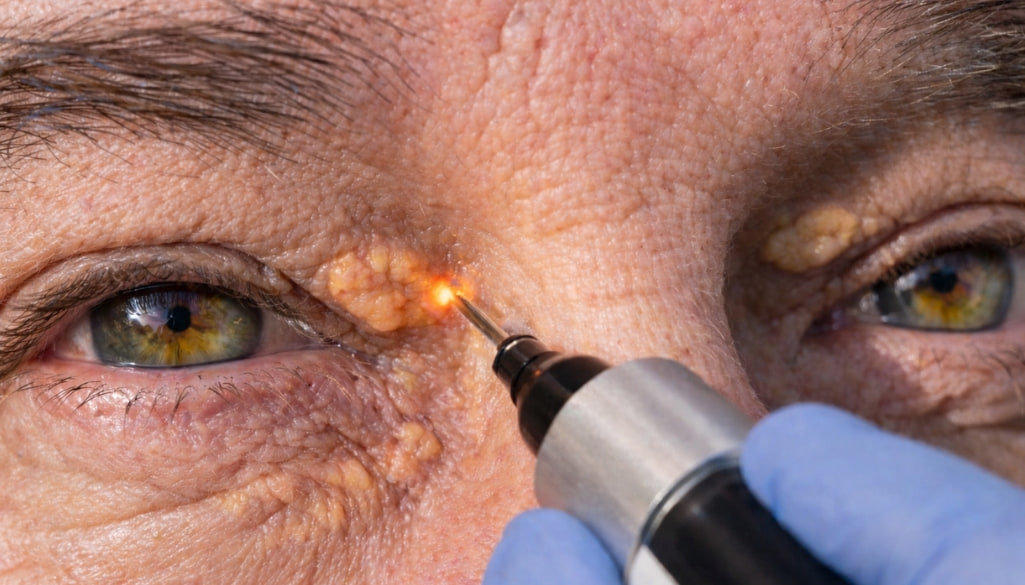
Best Xanthelasma Removal in London | Top 5 Clinics | Perfect Eyes Clinic

Dynamic Life Clinic

Dynamic Life Clinic may also be considered during the process of comparing clinics for aesthetic skin concerns. Patients interested in Eyelid Xanthelasma Removal should evaluate the clinic according to clinical suitability rather than relying solely on treatment availability.

The most useful questions involve practitioner credentials, experience with periocular treatments, the equipment or technique being proposed, and how potential complications are managed. A professional clinic should also explain when another medical specialist may be more appropriate, particularly if the appearance of a lesion is unusual or its diagnosis has not been established.

Tajmeels Clinic

Tajmeels Clinic provides another option for patients researching aesthetic treatment providers. When assessing a clinic for eyelid xanthelasma, patients should pay particular attention to the quality of the initial consultation and whether the proposed treatment is tailored to the individual rather than presented as a universal solution.

Because xanthelasma can vary considerably in size and thickness, treatment selection should be based on the specific lesion. Patients can ask how the clinic approaches delicate areas around the eyes, what type of practitioner performs the procedure, and what outcome can reasonably be expected.

Enfield Royal Clinic

Enfield Royal Clinic can be considered by patients looking for a clinic where an aesthetic concern such as Eyelid Xanthelasma Removal can be assessed before a treatment plan is selected. Because the eyelids contain particularly delicate skin, the consultation is an important part of determining whether treatment is suitable and which technique may offer an appropriate balance between lesion removal and preservation of surrounding skin.

Patients should ask about the practitioner’s relevant qualifications, experience with lesions around the eyes, treatment technology, and expected healing process. It is also useful to discuss whether the lesion requires medical assessment before cosmetic treatment and what factors could influence the final appearance.

How to Choose the Right Clinic for Eyelid Xanthelasma Removal

Experience and Qualifications

The experience and qualifications of the treating practitioner should be among the first considerations. Xanthelasma appears on a sensitive anatomical area, so knowledge of eyelid anatomy and appropriate treatment techniques matters.

Patients should verify the practitioner’s professional credentials and ask about experience with similar lesions. It is also reasonable to ask whether the practitioner performs the treatment personally and how frequently they manage conditions affecting the eyelid area.

Technology and Techniques

There is no single removal method that is ideal for every case. Depending on the lesion and clinical assessment, possible approaches can include laser-based treatment, electrosurgical techniques, chemical treatment, or surgical removal.

A reputable clinic should explain why a particular method is being considered rather than presenting technology as the main selling point. Patients should understand the expected number of sessions, healing process, limitations, and possible complications before proceeding.

Safety Standards

Safety is especially important when treatment takes place close to the eyes. The clinic should maintain appropriate hygiene and infection-control procedures and use equipment suitable for the intended treatment.

Patients should also be informed about potential risks, including irritation, pigmentation changes, scarring, incomplete removal, or recurrence. Any history of previous eyelid procedures or relevant skin concerns should be discussed during the consultation.

Consultation Process

A detailed consultation can distinguish a clinically responsible treatment plan from a purely cosmetic sales approach. The practitioner should examine the lesions, discuss medical history where relevant, and determine whether the appearance is consistent with xanthelasma.

Patients should feel comfortable asking questions about the diagnosis, technique, expected results, healing, and alternatives. If there is uncertainty about the diagnosis, further medical evaluation may be appropriate before cosmetic removal.

Patient Experience

A professional patient experience involves clear communication from consultation through treatment planning. Information should be understandable, realistic, and free from promises of guaranteed results.

Patients can also assess whether the clinic takes sufficient time to explain the procedure and whether questions are answered transparently. These factors can be valuable indicators when comparing providers.

Expected Results

The objective of treatment is generally to reduce or remove the visible deposits while limiting unwanted effects on the surrounding skin. However, results can vary according to lesion characteristics, treatment method, individual healing, and the possibility of recurrence.

A responsible practitioner should discuss realistic expectations rather than suggesting that removal will necessarily produce a permanent result.

Frequently Asked Questions

What is eyelid xanthelasma?

Xanthelasma refers to yellowish plaques caused by deposits of lipid-rich material in the skin, commonly occurring around the eyelids. They are usually benign but may be removed for cosmetic reasons.

Is Eyelid Xanthelasma Removal safe?

Treatment can be performed safely when an appropriate technique is selected and carried out by a suitably qualified practitioner. Because the lesions occur close to the eyes, careful assessment and technique are particularly important.

Which treatment is best for xanthelasma?

There is no universally best method. Laser treatment, electrosurgery, chemical techniques, and surgical excision may each have a role depending on the size, thickness, location, and characteristics of the lesion.

Can xanthelasma come back after removal?

Yes. Removal addresses the existing visible deposits but does not necessarily prevent new xanthelasma from developing. Recurrence can occur, which is why patients should discuss long-term expectations during consultation.

How should a clinic be selected for xanthelasma treatment?

Patients should consider practitioner qualifications, relevant experience, treatment options, safety protocols, consultation quality, and realistic discussion of results. The clinic should also be able to explain why a particular technique is suitable for the individual’s eyelid lesions.

Conclusion

Choosing the right clinic for Eyelid Xanthelasma Removal requires careful consideration of clinical expertise, treatment methods, safety standards, and consultation quality. The most suitable provider is not necessarily the one offering the most aggressive treatment or making the strongest promotional claims. Instead, patients should look for a qualified practitioner who evaluates the lesions carefully, explains appropriate options, discusses potential risks, and sets realistic expectations.

Because the eyelid is a delicate area, informed decision-making is essential. Comparing clinics, asking detailed questions during consultation, and ensuring that the diagnosis and treatment approach are appropriate can help patients approach xanthelasma removal with greater confidence.

Breast Lift Surgery That Prioritizes Natural Beauty

Breast shape can change significantly over time due to ageing, pregnancy, breastfeeding, weight fluctuations, genetics, and changes in skin elasticity. For some women, these changes lead to sagging, a lower nipple position, stretched skin, or a loss of the breast contour they previously had. A breast lift, medically known as mastopexy, is designed to address these concerns by removing excess skin, reshaping breast tissue, and repositioning the nipple-areola complex. Unlike breast augmentation, the primary purpose of a lift is not simply to increase volume but to restore a more elevated and balanced breast profile.

Choosing surgery based on natural-looking proportions requires more than focusing on photographs or a particular aesthetic trend. The surgical plan should consider breast size, skin quality, tissue distribution, nipple position, chest anatomy, and the patient’s expectations. Depending on the individual case, a lift may be performed alone or combined with augmentation or reduction.

For anyone considering Breast Lift Surgery the consultation is one of the most important stages of the process. A qualified plastic surgeon can determine the degree of breast ptosis, explain suitable incision patterns, discuss potential scarring, and establish whether the desired result can realistically be achieved. The goal should be harmony between the breasts and the patient’s overall body proportions rather than an overly altered appearance.

Dynamic Life Clinic

Dynamic Life Clinic includes breast lift surgery among its breast procedures, alongside breast augmentation, breast reduction, and breast reconstruction. Its service information indicates that breast surgery is part of its wider aesthetic and surgical offering.

A breast lift at any surgical practice should begin with an assessment of how much the breast has descended and whether the existing tissue provides enough volume for the intended shape. Some patients may require only skin and tissue repositioning, while others may benefit from a combined procedure. Discussing these distinctions during consultation helps prevent unrealistic expectations and supports a more individualized result.

Silkor Laser & Aesthetic Center

Silkor Laser & Aesthetic Center offers breast surgery services that include breast lifting, augmentation, reduction, and reconstruction. Its published information identifies pregnancy, breastfeeding, weight loss, ageing, and hereditary factors among reasons a patient may seek breast lift surgery.

Silkor also emphasizes consultation with licensed medical professionals before breast surgery. This is especially important because the appropriate technique depends on factors such as skin elasticity, breast volume, asymmetry, and the desired degree of elevation.

Breast Lift (Mastopexy) in Scottsdale, AZ | Dr. Mark Plastic Surgery

Tajmeels Clinic

Tajmeels Clinic provides breast lift surgery as part of its breast surgery services and describes an individualized approach based on the patient’s anatomy and objectives. Its published information also highlights factors such as breast tissue characteristics and the complexity of the procedure when planning treatment.

For patients interested in a natural aesthetic, the consultation should focus on proportional reshaping rather than simply achieving maximum elevation. The surgeon can explain whether a lift alone is appropriate or whether another breast procedure may better address volume or symmetry concerns. Clear communication about the desired appearance can also help establish realistic expectations before surgery.

Dr. Kotti

Dr. Bouraoui Kotti provides breast lift and mastopexy as part of his breast surgery practice. His published clinical information explains that mastopexy can involve removing excess skin, reshaping existing breast tissue, and repositioning the nipple-areola complex. It also notes that the appropriate approach depends on breast ptosis, skin quality, existing volume, and the patient’s desired result.

His practice also describes the Chignon Mastopexy, an internal tissue-reshaping technique developed and published by Dr. Kotti. The procedure may be considered in selected patients who want reshaping using their own breast tissue rather than relying solely on an implant for internal support. Suitability must be determined through individual assessment.

Enfield Royal Clinic

Enfield Royal Clinic presents breast lift surgery as part of its breast enhancement services, with an emphasis on individualized treatment planning. Its breast surgery information describes the procedure as a way to improve breast shape and firmness while counteracting changes associated with time and gravity.

For patients seeking a Breast Lift, the important consideration is whether the proposed surgical approach matches their anatomy and aesthetic goals. A detailed consultation should cover nipple position, the amount of excess skin, breast volume, incision options, expected recovery, and possible risks. This patient-specific approach is particularly relevant when natural proportions are a priority.

How to Choose the Right Clinic for Breast Lift

Experience and qualifications

Breast lift surgery requires specialized surgical knowledge because the procedure involves reshaping tissue, repositioning the nipple, and managing the skin envelope. Patients should verify the surgeon’s qualifications, surgical experience, licensing, and specific experience with mastopexy.

Technology and techniques

Modern breast surgery can involve different incision patterns and tissue-reshaping techniques. The best approach is not necessarily the newest technique. It should be the method that suits the patient’s anatomy, degree of sagging, skin quality, and desired outcome.

Safety standards

A reputable surgical setting should provide appropriate medical assessment, qualified anesthesia support where required, sterile operating conditions, and structured follow-up. Patients should also receive clear information about potential complications such as infection, bleeding, wound-healing problems, asymmetry, changes in sensation, and scarring.

Consultation process

A thorough consultation should feel like a medical assessment rather than a sales discussion. Patients should have an opportunity to discuss their medical history, previous pregnancies or breast procedures, medications, future pregnancy plans, aesthetic preferences, and concerns about scars.

Patient experience

Communication matters throughout the surgical journey. Clear explanations before surgery, accessible follow-up, realistic recovery guidance, and appropriate postoperative monitoring can make the overall experience more organized and reassuring.

Expected results

A natural breast lift should be planned around proportion and anatomy. Results can vary because healing, skin elasticity, tissue characteristics, ageing, pregnancy, and weight changes all influence the long-term appearance. Before-and-after photographs can help patients understand a surgeon’s approach, but they cannot guarantee an identical result.

Frequently Asked Questions

What does a breast lift do?

A breast lift raises and reshapes sagging breasts by removing excess skin and repositioning breast tissue and the nipple-areola complex. It is primarily intended to improve breast position and contour rather than simply increase breast volume.

Can a breast lift look natural?

Yes, a natural-looking result can be an important surgical goal. The final appearance depends on breast anatomy, tissue quality, surgical technique, incision pattern, and how much reshaping is required. Individual results vary.

Is a breast lift the same as breast augmentation?

No. A breast lift primarily addresses sagging and breast position, while augmentation is designed to increase or restore volume. In selected cases, the procedures may be combined when both elevation and additional fullness are desired.

What causes breasts to sag?

Breast ptosis can develop because of ageing, pregnancy, breastfeeding, weight changes, genetics, and reduced skin elasticity. Several factors may contribute at the same time.

Are breast lift results permanent?

A breast lift can provide long-lasting improvement, but it does not stop the natural ageing process. Future pregnancy, substantial weight fluctuations, skin changes, and gravity can gradually affect the breast shape again.

Conclusion

A natural-looking breast profile begins with an individualized surgical plan rather than a one-size-fits-all approach. The right procedure depends on the degree of sagging, breast volume, skin quality, nipple position, overall proportions, and personal expectations. Patients considering Breast Lift surgery should prioritize qualified surgical expertise, appropriate safety standards, transparent consultation, and realistic expectations over promises of a particular result.

Is Vaser 4D Liposuction the Smart Choice for Body Contouring?

Body contouring has moved beyond simply removing unwanted fat. Many patients today are looking for a more refined approach that improves proportions, creates smoother transitions between body areas, and, where appropriate, enhances natural muscle definition. This is where Vaser 4D Liposuction in Dubai has gained attention as an advanced form of ultrasound-assisted liposuction.

Unlike weight-loss procedures, liposuction is generally intended to address localized fat deposits that remain resistant to diet and exercise. VASER technology uses ultrasonic energy to help separate fat from surrounding tissues before it is removed through small cannulas. The technique can allow a surgeon to work with greater precision when sculpting selected areas of the body.

The “4D” concept is associated with three-dimensional body sculpting combined with consideration of how the contours appear during movement. Depending on anatomy, skin quality, fat distribution, and the surgeon’s approach, treatment may focus on areas such as the abdomen, waist, flanks, thighs, arms, chest, back, or other localized regions.

However, advanced technology does not automatically make a procedure suitable for everyone. Liposuction remains surgery, with potential risks including swelling, bruising, contour irregularities, infection, bleeding, seroma, and blood-clot complications.

For that reason, the smarter question is not simply whether the technique is advanced, but whether it is appropriate for the individual patient, their anatomy, expectations, and overall health.

Dynamic Life Clinic

Dynamic Life Clinic has a broad body-contouring and plastic-surgery portfolio that includes Vaser 4D Liposuction alongside other liposuction approaches, such as Body Jet, BodyTite, GPS laser liposuction, and high-definition liposculpture.

For patients considering Vaser 4D Liposuction, this wider range can be useful during the consultation stage because body contouring is not necessarily a one-technique-fits-all procedure. The appropriate approach depends on the amount and distribution of fat, skin elasticity, existing muscle definition, and the desired degree of sculpting.

A strong consultation should therefore focus on anatomy rather than simply choosing the newest-sounding treatment. Patients can discuss which areas require correction, whether high-definition sculpting is appropriate, and what level of definition can realistically be achieved.

Medhannibal

Medhannibal is another name associated with VASER-based body sculpting, although its services are centered on aesthetic surgery in Tunisia rather than being a Dubai-based clinic. Its published material discusses VASER HD liposuction and describes ultrasound-assisted techniques for separating fat before removal.

Its educational content also highlights an important consideration when evaluating advanced liposuction: body sculpting requires surgical expertise as much as technology. Precise fat removal must take into account the underlying anatomy, skin quality, symmetry, and the amount of definition that is appropriate for the patient.

For someone comparing international treatment options, this distinction matters. A clinic should be assessed not only by the equipment it uses but also by the qualifications of the operating surgeon, surgical setting, consultation process, and arrangements for follow-up care.

Tajmeels Clinic

Tajmeels Clinic specifically offers 4D VASER liposuction and describes it as an ultrasound-assisted body-sculpting technique designed to target fat more precisely. Its published treatment information includes areas such as the abdomen, waist, arms, thighs, hips, buttocks, neck, and chin.

The clinic also distinguishes 4D VASER from traditional liposuction by emphasizing greater attention to contour and muscle definition rather than focusing solely on overall fat reduction.

For patients exploring this option, the most useful part of the process is the individualized assessment. The surgeon can determine whether the patient’s fat distribution, skin elasticity, and muscle structure are suitable for a definition-focused approach. Tajmeels also states that its plastic surgery services use VASER technology and other surgical techniques as part of its broader body-contouring offering.

Dr. Shehzadi Tasneem

Dr. Shehzadi Tasneem is a specialist plastic surgeon in Dubai, with the Dubai Health Authority listing her as a Specialist Plastic Surgery professional with active licenses.

Her professional profiles list liposuction and Vaser liposuction among her areas of practice, while her clinical approach emphasizes consultation, assessment of suitability, realistic treatment options, and individualized surgical planning.

For a patient considering advanced body contouring, a surgeon-led consultation is essential. It provides an opportunity to discuss the specific areas of concern, the intended level of definition, skin quality, recovery expectations, and whether VASER is preferable to another contouring technique.

Enfield Royal Clinic

Enfield Royal Clinic provides liposuction among its cosmetic surgery services and emphasizes consultation before treatment, including assessment of the patient’s concerns, goals, medical history, and suitability for the proposed procedure.

That consultation-led approach is particularly relevant when discussing Vaser 4D Liposuction, because the desired result should be planned around the patient’s existing proportions rather than a standard body template. The clinic’s published VASER information also identifies factors such as the treatment area, amount of fat, technology, and surgeon experience as considerations when planning the procedure.

Patients should also understand that liposuction does not replace healthy weight management and is not designed to treat obesity. A qualified surgeon should determine whether localized fat removal is appropriate and whether skin laxity or another procedure could affect the final contour.

How to Choose the Right Clinic for Vaser 4D Liposuction

Experience and Qualifications

The surgeon’s qualifications and experience should be among the first considerations. Patients should verify that the practitioner is appropriately licensed and trained in plastic or cosmetic surgery and has relevant experience with liposuction and body contouring.

Technology and Techniques

VASER is a technology, not a guarantee of a particular outcome. A good clinic should be able to explain why the technique is appropriate for a particular body area and how it compares with alternatives such as traditional liposuction, power-assisted liposuction, or other contouring procedures.

Safety Standards

Because liposuction is a surgical procedure, safety should remain central to the decision. Patients should ask about the surgical environment, anesthesia arrangements, medical assessment, emergency protocols, and qualified clinical support.

Consultation Process

A thorough consultation should cover medical history, current medications, previous procedures, fat distribution, skin elasticity, desired outcome, and realistic limitations. Patients should feel comfortable asking questions before making a decision.

Patient Experience

The quality of communication matters throughout the treatment journey. Clear information about the procedure, expected swelling, recovery, possible complications, follow-up appointments, and warning signs can help patients make informed decisions.

Expected Results

The goal should be proportionate, natural-looking contouring rather than an unrealistic transformation. Swelling can temporarily obscure the outcome, and final definition may take time to develop. Even after fat cells are removed, significant future weight gain can alter the body’s appearance.

Frequently Asked Questions

Is Vaser 4D Liposuction suitable for weight loss?

No. Liposuction is primarily a body-contouring procedure for localized fat deposits. It is not a substitute for obesity treatment or a general weight-loss program.

What makes Vaser 4D different from traditional liposuction?

VASER uses ultrasonic energy to help separate fat before aspiration. The 4D approach places additional emphasis on sculpting body contours and, in selected patients, enhancing visible muscle definition.

Which areas can be treated?

Depending on individual suitability, treatment may involve areas such as the abdomen, waist, flanks, thighs, arms, back, chest, hips, buttocks, neck, or chin. The exact treatment plan should be determined during a surgical consultation.

How long does recovery take?

Recovery varies according to the number and size of treatment areas, the surgical technique, and individual healing. Swelling and bruising are common after liposuction, and patients may need to temporarily limit strenuous activities. A surgeon should provide personalized recovery instructions.

Can everyone achieve highly defined results?

No. The final appearance depends on factors including skin elasticity, fat distribution, muscle structure, body composition, healing, and surgical technique. Highly defined contouring is not appropriate for every patient, which is why realistic preoperative planning is important.

Conclusion

So, is Vaser 4D Liposuction the smart choice for body contouring? It can be an effective option for carefully selected patients who want localized fat reduction with a stronger emphasis on precision and sculpting. Its suitability, however, depends less on the label “4D” and more on the patient’s anatomy, health, goals, and the experience of the surgeon performing the procedure.

A responsible decision starts with a detailed consultation, realistic expectations, appropriate safety standards, and a treatment plan designed specifically for the individual. Rather than choosing a procedure solely because it uses advanced technology, patients should focus on whether the technique is medically appropriate and whether the surgical team can provide thoughtful, evidence-based care.