
Managing a urinary catheter at home requires consistent attention, proper hygiene, and a clear daily care routine. Whether someone needs a catheter temporarily after surgery or requires long-term support because of a medical condition, maintaining cleanliness and following professional instructions can help reduce complications. A well-organised routine also makes everyday activities more comfortable for patients and less stressful for family caregivers.
In Dubai, many families prefer professional home healthcare support because it allows patients to receive assistance in familiar surroundings. However, caring for a catheter involves more than simply emptying a drainage bag. Patients and caregivers need to understand proper hand hygiene, catheter positioning, drainage management, skin care, and warning signs that may require medical attention.
Catheter Care at Home in Dubai should always follow an individual care plan prepared by a qualified healthcare professional. The type of catheter, the patient’s mobility, medical history, and personal hygiene requirements can influence the care routine. Following the correct procedures can help prevent avoidable problems, support comfort, and maintain dignity.
Choosing an appropriate healthcare provider is equally important. Experienced professionals can guide families on safe catheter handling, explain daily maintenance, and identify potential concerns early. This article explores practical catheter care habits, important safety considerations, and healthcare providers in Dubai that patients and families can consider when arranging professional support.
Understanding the Importance of a Daily Catheter Care Routine
A urinary catheter helps drain urine from the bladder when a person cannot empty it naturally. Although it serves an important medical purpose, the device requires regular maintenance to reduce the risk of urinary tract infections, blockages, leakage, and skin irritation.
A consistent routine makes catheter management easier. It also helps caregivers recognise changes in urine appearance, drainage patterns, or the patient’s comfort.
Daily care generally involves:
- Washing hands before and after touching the catheter or drainage equipment.
- Keeping the catheter and surrounding skin clean.
- Ensuring the drainage tubing is not twisted, compressed, or pulled.
- Keeping the urine collection bag below bladder level.
- Emptying the drainage bag according to professional instructions.
- Checking for unusual changes in urine colour, smell, or volume.
- Making sure the catheter is secured properly to prevent unnecessary movement.
Patients should never disconnect, remove, or replace their catheter without appropriate medical instructions and training.
Practical Habits for Safe Catheter Care at Home
Maintain Proper Hand Hygiene
Hand hygiene is one of the most important parts of catheter maintenance. Caregivers should wash their hands with soap and water before and after handling the catheter, drainage bag, or surrounding equipment.
Clean gloves may be appropriate for certain care activities, but they do not replace proper handwashing. Keeping frequently touched surfaces and catheter supplies clean also helps maintain a safer environment.
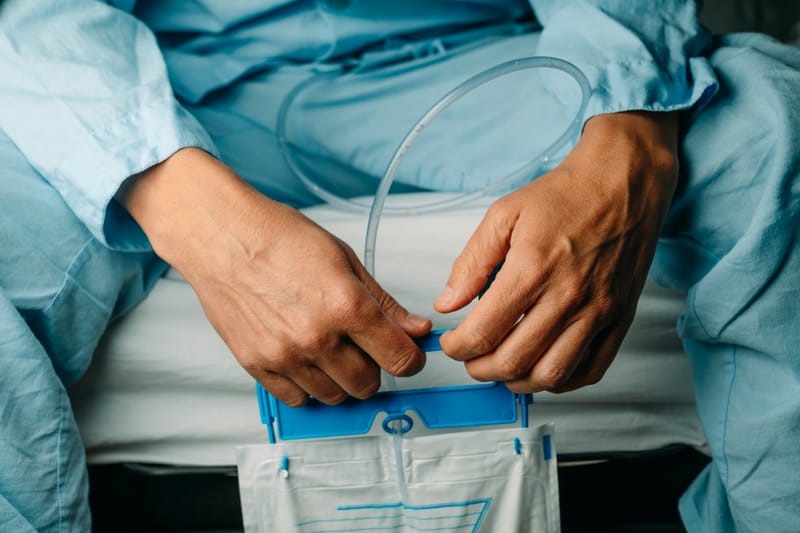
Keep the Catheter Area Clean
The skin around the catheter insertion site should be cleaned gently every day and after bowel movements when necessary. Mild soap and water are generally sufficient unless a healthcare professional recommends another method.
Avoid applying powders, creams, antiseptics, or scented products around the insertion area without medical advice. These products may cause irritation or interfere with the recommended care routine.
Position the Drainage Bag Correctly
The urine collection bag should remain below the level of the bladder to support proper drainage and reduce the risk of urine flowing backwards.
It should never rest directly on the floor. Caregivers should also check that the tubing has enough space to allow urine to flow freely without creating tension on the catheter.
Empty the Bag Safely
The drainage bag should be emptied before it becomes overly full, following the schedule recommended by the healthcare professional.
Avoid allowing the drainage outlet to touch the toilet, container, or any other surface. After emptying, close the outlet securely and wash your hands.
Monitor Changes and Report Concerns
Regular observation is essential for identifying potential complications. Caregivers should pay attention to:
- Cloudy urine accompanied by other symptoms.
- Blood in the urine.
- Unusual or strong-smelling urine.
- Leakage around the catheter.
- Pain or discomfort in the lower abdomen.
- Reduced or absent urine drainage.
- Fever, chills, or general weakness.
Cloudy or strong-smelling urine alone does not necessarily indicate an infection. However, symptoms such as fever, pain, or sudden confusion should be discussed promptly with a healthcare professional. If the patient develops severe pain, significant bleeding, or becomes seriously unwell, urgent medical assessment is necessary.
Healthcare Providers to Consider for Professional Catheter Support in Dubai
Finding suitable healthcare assistance involves considering clinical experience, patient safety, communication, and the availability of home-based services. The following healthcare providers are worth exploring when researching medical support in Dubai. Families should confirm the exact catheter-related services and home-care availability directly with each provider.
Tajmeels Clinic
Tajmeels Clinic is one of the healthcare names patients may consider when exploring medical services in Dubai. When discussing catheter-related assistance, families should ask whether the provider can arrange qualified nursing support or refer patients to an appropriate home healthcare service.
It is important to confirm whether nurses have experience with urinary catheter maintenance, drainage bag management, infection prevention, and patient education. A clear discussion about the patient’s needs can help determine whether the available services are appropriate.
Enfield Royal Clinic
Enfield Royal Clinic is another provider to consider when exploring healthcare support in Dubai. Patients and families can contact the clinic to discuss available nursing assistance, home healthcare arrangements, and guidance for managing ongoing medical needs.
For individuals requiring Catheter Care at Home, it is important to establish whether qualified professionals can provide the specific catheter-related services required. Families should ask about catheter hygiene, drainage monitoring, patient comfort, and the management of possible complications.
A suitable care arrangement should be based on the patient’s medical condition and professional assessment. Clear communication, appropriate clinical qualifications, and personalised guidance are essential when selecting support for daily catheter management.
Dynamic Life Clinic
Dynamic Life Clinic is also a healthcare provider that patients may explore when researching medical assistance in Dubai. Families looking for catheter-related support should contact the clinic to establish whether suitable nursing services or home healthcare referrals are available.
Before arranging an appointment, patients can discuss their catheter type, medical history, mobility requirements, and current care challenges. It is also helpful to ask about nursing qualifications, availability, and the process for reporting unexpected symptoms.
These details help families understand whether the provider can meet their requirements and support a safe care arrangement.
How to Choose the Right Clinic for Catheter Care at Home
Selecting a suitable healthcare provider requires more than checking service availability. Catheter management involves clinical responsibilities, so patients should consider several important factors before making a decision.
Experience and Qualifications
Always confirm that catheter-related care is provided by appropriately licensed and trained healthcare professionals. Nurses should understand urinary catheter maintenance, infection prevention, drainage systems, and the identification of common complications.
Experience with elderly patients, individuals with limited mobility, and people requiring long-term catheterisation can also be valuable.
Technology and Techniques
Ask about the equipment and procedures used during home visits. Professionals should follow appropriate infection prevention practices and use suitable medical supplies.
They should also understand the differences between indwelling, intermittent, and suprapubic catheters because each requires specific care instructions.
Safety Standards
Patient safety should remain a priority throughout every care visit. Check whether the provider follows recognised hygiene procedures, maintains appropriate clinical documentation, and has a clear process for responding to complications.
Families should also understand whom to contact if the catheter stops draining or the patient develops concerning symptoms outside scheduled visits.
Consultation Process
A proper consultation allows healthcare professionals to understand the patient’s condition and develop an appropriate care plan.
During the assessment, discuss the reason for catheterisation, the type of catheter, existing medical conditions, mobility limitations, and any previous complications. Caregivers should also receive clear instructions about the activities they can safely perform.
Patient Experience
Comfort, dignity, communication, and privacy are important aspects of home healthcare. Choose a provider that listens to patient concerns and explains procedures in understandable language.
Consistent communication between nurses, patients, and family caregivers can make ongoing catheter management more organised.
Expected Results
The purpose of professional catheter support is to maintain proper drainage, reduce avoidable complications, and improve the patient’s comfort. However, no healthcare provider can guarantee that infections or other complications will never occur.
A realistic care plan should include routine monitoring, appropriate hygiene, regular clinical reviews, and clear instructions for managing unexpected changes.
Frequently Asked Questions
How often should a urinary catheter be cleaned at home?
The external catheter area should generally be cleaned daily and after bowel movements when needed. Use mild soap and water unless a healthcare professional recommends another approach. The catheter itself should not be removed or cleaned internally as part of routine hygiene.
Can a patient shower while using a urinary catheter?
Most patients with urinary catheters can shower, provided they follow their healthcare professional’s instructions. The catheter and drainage system should remain properly connected, and the drainage bag should be positioned correctly. Avoid soaking the catheter or using products that may irritate the insertion area.
What should caregivers do if urine stops flowing into the drainage bag?
First, check whether the tubing is twisted, compressed, or positioned incorrectly. Ensure the drainage bag is below bladder level. If urine flow does not return, or the patient experiences bladder discomfort, contact a healthcare professional promptly. Never attempt to flush or manipulate the catheter without appropriate training and instructions.
How can families reduce the risk of catheter-related infections?
Consistent handwashing, daily hygiene, correct drainage bag positioning, and avoiding unnecessary disconnections can help reduce infection risks. Patients should also maintain adequate fluid intake if medically permitted and attend recommended clinical reviews.
When should professional catheter care be arranged?
Professional assistance may be helpful when patients have limited mobility, require ongoing catheter monitoring, experience recurring problems, or need support with catheter changes. The timing and frequency of nursing visits should depend on the patient’s medical needs and the treating professional’s recommendations.
Conclusion
Building a safe daily catheter routine requires cleanliness, regular observation, correct drainage management, and professional guidance. Small habits, such as washing hands, maintaining proper bag positioning, and checking for unusual symptoms, can make a meaningful difference in everyday catheter management.
Families in Dubai should choose qualified healthcare professionals who understand individual patient needs and follow appropriate clinical safety standards. Catheter Care at Home should never be treated as a one-size-fits-all responsibility. With a personalised care plan, reliable nursing guidance, and regular monitoring, patients can receive more organised support while maintaining comfort, dignity, and confidence in their daily lives.