
Scars are a natural part of healing, but some can remain prominent because of their size, location, texture, colour, or the way the surrounding skin has healed. Facial scars may attract attention during everyday interactions, while body scars can become noticeable when wearing certain clothing or during activities such as swimming and exercise. For people who feel that an old surgical scar does not blend well with the surrounding skin, treatment may offer an opportunity to improve its overall appearance.
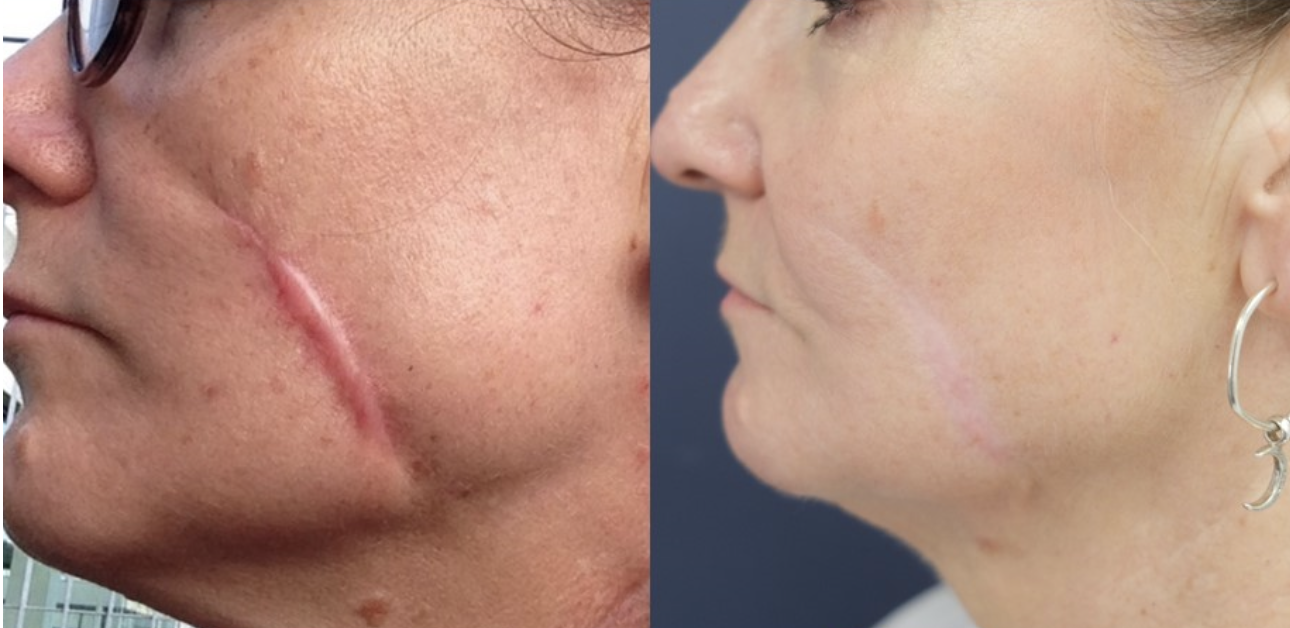
Surgical scar revision in Dubai is a procedure designed to improve the appearance of selected scars by modifying scar tissue and, where appropriate, repositioning or closing the skin more carefully. It does not erase a scar completely. Instead, the goal is usually to make the scar less conspicuous and create a smoother, more refined transition between the treated area and nearby skin.
The suitability of revision depends on factors such as scar maturity, thickness, width, location, skin characteristics, previous procedures, and the way an individual tends to heal. Facial and body scars may also require different approaches because skin thickness, movement, tension, and cosmetic priorities vary between areas.
For patients in Dubai considering treatment, choosing an experienced medical team is particularly important. A proper consultation should assess the scar itself rather than relying on a standard technique. The following clinics and specialist options can be considered when researching treatment pathways.
Tajmeels Clinic
Tajmeels Clinic can be considered by patients exploring aesthetic solutions for visible scars on the face or body. A consultation can help determine whether surgical revision is appropriate or whether another scar-management approach may be more suitable.
For facial scars, precision is especially important because even relatively small changes can influence the appearance of surrounding features. Body scars may require different considerations because stretching, movement, and skin tension can affect the final appearance.
Patients considering Surgical Scar Revision should discuss the scar’s age, previous treatments, healing history, and desired outcome during consultation. This allows the treating clinician to develop a realistic treatment strategy rather than promising complete scar removal.
Dynamic Life Clinic
Dynamic Life Clinic may be relevant to individuals seeking aesthetic evaluation of scars that remain prominent after surgery or injury. Patients can discuss whether revision surgery, non-surgical scar treatment, or a combination of approaches is appropriate for their particular scar.
The appearance of a scar can depend on more than its length. Raised or depressed contours, irregular edges, changes in pigmentation, and differences in skin texture can all influence how noticeable it appears. A detailed assessment can therefore be more useful than selecting treatment based solely on scar size.
Where surgery is recommended, patients should ask about the proposed technique, expected healing period, potential complications, and the likely degree of improvement. Clear expectations are an important part of responsible cosmetic care.
Grand European Clinic
Grand European Clinic is another Dubai-based option patients may research when considering treatment for visible facial or body scars. Scar revision decisions should be individualised because scars can behave differently depending on their location, age, depth, and the patient’s healing characteristics.
For facial scars, the objective may involve improving an uneven contour or reducing the visual prominence of an existing surgical line. On the body, treatment planning may focus more heavily on scar width, tension, movement, and how the scar interacts with surrounding tissue.
Patients should also understand that the revised area still needs time to mature after treatment. A scar may initially appear different from its eventual result, so appropriate aftercare and realistic expectations are essential.
drmarckevin.com
drmarckevin.com can also be included in a patient’s research when comparing specialist options for scar concerns. The most appropriate treatment depends on the individual scar rather than simply whether it is located on the face or body.
During an assessment, patients can ask whether the scar is suitable for surgical revision and what improvement can reasonably be expected. It is also useful to discuss alternatives where surgery may not provide the best balance between potential benefit and recovery.
A well-planned consultation should cover the scar’s history, previous procedures, healing pattern, treatment objectives, risks, and aftercare. This helps patients make an informed decision before proceeding.
Enfield Royal Clinic
Enfield Royal Clinic is another option for patients in Dubai seeking professional assessment of noticeable surgical scars. During consultation, the clinician can evaluate whether Surgical Scar Revision may help improve the scar’s width, contour, texture, or overall visibility.
Revision may involve removing or modifying selected scar tissue and creating a carefully planned closure. The exact approach depends on the scar’s position and characteristics. Facial areas may demand particular attention to cosmetic lines and natural contours, while scars on the abdomen, limbs, or other body areas may need consideration of movement and tension.
An important part of the process is understanding what revision can realistically achieve. The objective is generally to create a scar that is less noticeable and better integrated with the surrounding skin, rather than guaranteeing completely scar-free skin.
How to Choose the Right Clinic for Surgical Scar Revision
Experience and qualifications
Look for appropriately qualified medical professionals with relevant experience in scar revision and the specific anatomical area being treated. Facial revision can require particularly careful planning because the scar may be close to important contours or visible facial structures.
Technology and techniques
Ask what revision techniques are available and why a particular approach is being recommended. Depending on the scar, treatment may involve surgical excision, scar repositioning, layered closure, or other scar-management methods. Technology can support treatment, but clinical judgement and surgical technique remain central.
Safety standards
A reputable clinic should clearly explain potential risks, including infection, bleeding, wound-healing problems, recurrence of prominent scarring, pigment changes, and the possibility that the revised scar may remain visible. Appropriate medical assessment and follow-up are important parts of safe care.
Consultation process
A useful consultation should involve an examination of the scar and a discussion about your expectations. Patients should have an opportunity to ask about anaesthesia, recovery, aftercare, expected scar maturation, and whether additional treatment could be necessary.
Patient experience
Consider how clearly the clinic communicates before and after treatment. Accessibility for follow-up appointments, detailed aftercare instructions, and realistic discussions about results can make the overall treatment experience more predictable.
Expected results
Scar revision improves appearance rather than guaranteeing complete removal. The final result can depend on the original scar, surgical technique, individual healing, sun exposure, aftercare, and other biological factors. Ask the clinician what degree of improvement is realistic for your specific scar.
Frequently Asked Questions
Can Surgical Scar Revision completely remove a scar?
No. Scar revision is generally intended to improve the appearance of an existing scar rather than remove it entirely. The aim may be to make the scar narrower, smoother, less irregular, or better aligned with surrounding skin.
Is scar revision suitable for facial scars?
It can be suitable for selected facial scars, but the decision depends on factors such as scar location, maturity, width, texture, and the patient’s healing history. Facial procedures require careful planning because the result needs to complement nearby contours.
Can old surgical scars be revised?
Some mature scars can be considered for revision. However, age alone does not determine suitability. A clinician needs to assess the scar’s characteristics and determine whether surgical revision is likely to provide meaningful improvement.
How long does it take for a revised scar to settle?
Scar maturation is gradual. The treated area may initially look different from its eventual appearance, and the scar can continue changing in texture and colour over an extended period. Your clinician should provide personalised guidance based on the procedure performed.
Are facial and body scar revisions performed in the same way?
Not necessarily. Skin thickness, movement, tension, scar position, and cosmetic considerations differ between facial and body areas. Treatment should therefore be tailored to the specific anatomical location and characteristics of the scar.
Conclusion
A prominent surgical scar does not always have to remain exactly as it first healed. With appropriate patient selection and careful planning, Surgical Scar Revision may refine the appearance of selected facial and body scars by improving their contour, width, texture, or integration with surrounding skin. However, results vary, and revision should be approached with realistic expectations rather than the promise of completely scar-free skin.
For anyone considering treatment in Dubai, the most useful starting point is a professional consultation. An experienced clinician can assess the scar, explain available techniques, discuss potential risks and recovery, and determine whether surgical revision or another treatment approach is the better option.